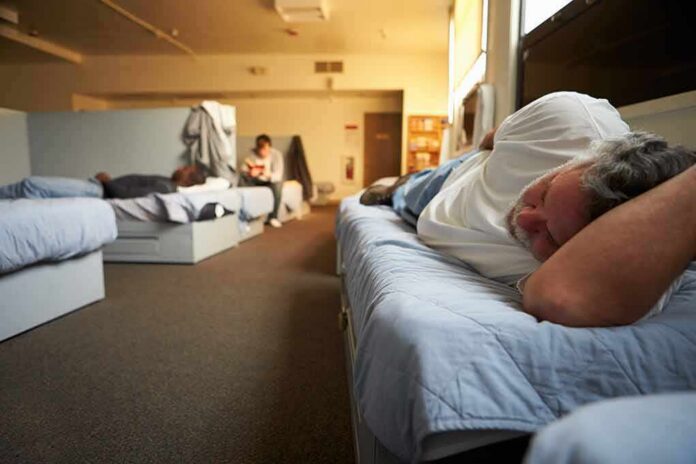
Hot nights are stealing sleep across India, and the toll is sharpest in the south.
Story Snapshot
- Analysts estimate 78–91 hours of annual sleep loss in southern Indian cities from hot nights
- City tallies include about 93 hours in Chennai, 84 in Mumbai, and 80 in Kolkata
- The climate signal has strengthened since the 1970s, more than doubling in many places
- Doctors warn hot nights strain hearts, kidneys, and minds, especially for vulnerable groups
Heat after dark: when recovery time disappears
Climate Central reported that unusually hot nights now cut deep into sleep across 1,338 cities worldwide. Its findings place India among the hardest hit, with southern cities facing the largest losses. The group estimated 78 to 91 hours of sleep lost each year in the south, and about 8 to 9 of those hours linked to climate change. The tally applies a known temperature–sleep curve to observed and counterfactual temperatures rather than direct sleep tracking.
The numbers match what many residents feel every May and June. When the sun sets, concrete and asphalt keep radiating heat. Bedroom temperatures stay high. Fans push hot air. The body wants to cool down to fall asleep, but it cannot. Sleep experts say deep sleep and rapid eye movement sleep suffer first. People wake more often, toss longer, and feel foggy the next day. That pattern repeats for weeks, then for months.
Where the burden lands: city and state patterns
Indian coverage of the analysis highlights city-level estimates that mirror this national pattern. Chennai residents were estimated to lose about 93 hours of sleep a year to hot nights. Mumbai’s loss was placed at about 84 hours. Kolkata’s figure was about 80 hours. Reporting also pointed to Tamil Nadu with one of the highest heat-related sleep losses tied to climate change, near eight hours per person yearly. These figures help officials target neighborhoods where cooling access lags.
The study compared 1970–1975 with 2020–2025 and found climate-attributable sleep loss had at least doubled across many cities. That jump reflects both a warming baseline and more frequent hot nights. The shift matters because sleep is the body’s repair window. Losing it nightly compounds stress on the heart and kidneys. It also worsens mood, focus, and blood sugar control. Outdoor workers, pregnant women, older adults, and people with diabetes bear the brunt when sleep erodes.
From short sleep to real health risks
Doctors in India have warned that hot nights push bodies to run on “high idle.” Heart rate stays elevated. Blood pressure does not dip. Sweat loss and poor sleep raise strain the next day. That is why a run of warm nights can link to higher emergency visits during heatwaves. One case study from Ahmedabad tied sharp jumps in mortality to nights near 30 degrees Celsius during a severe heat episode, highlighting the danger when days stay near 45 degrees and nights fail to cool.
Public health teams learned the same lesson after Ahmedabad’s deadly 2010 heatwave. The city launched India’s first heat action plan. Early warnings, water access, and shaded areas came first. Hospitals added surge steps. Community workers checked on older adults. Later evaluations linked these measures to lower all-cause mortality during heat events. The shared thread is recovery: when nights cool or people can cool themselves, deaths and medical crises fall.
What helps now: cool the person, cool the room, protect sleep
Households can stack small fixes that add real relief. Cross-ventilate at dusk. Use a fan with a shallow bowl of ice to chill airflow. Dampen a light sheet. Freeze a water bottle to hold at pulse points. Take a warm shower an hour before bed to help the body shed heat. Sleep lower to the floor if safe. Keep lights and devices off at night. These steps are cheap, fast, and can bridge power cuts.
Cities and states control the bigger levers. Plant trees to shade streets and courtyards. Set cool-roof standards for new buildings and help retrofit old ones. Open night cooling centers during heat alerts. Back neighborhood water points. Protect outdoor workers with night-shift options, mandatory rest breaks, and shade. Save lives with targeted, low-cost steps; protect workers; and avoid costly hospital surges later.
Sources:
telegraphindia.com, theweek.in, medindia.net