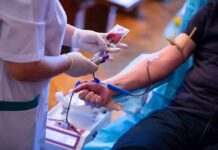
Cancer treatment can wreck a patient’s body long before it saves their life, and hospitals are building entire teams just to manage that damage.
Quick Take
- Novant Health runs a dedicated symptom-management and palliative-care program for cancer patients dealing with fatigue, nausea, pain, and mobility loss.
- The program pulls together physical therapists, dietitians, pain specialists, and counselors instead of relying on one drug or one doctor.
- Lymphedema care, nutrition support, and exercise therapy are treated as core parts of cancer care, not optional extras.
- National guidelines back the approach, saying palliative care should start at diagnosis, not just at the end of life.
A Hospital System Tackles The Brutal Side Effects Of Cancer Care
Chemotherapy, radiation, and surgery do not just fight cancer. They often leave patients exhausted, nauseous, and in pain for weeks or months. Novant Health built a symptom-management and palliative-care service specifically to address those effects, according to the health system’s own published materials. The goal is simple: keep patients functional and comfortable while the harder work of beating cancer continues.
This is not a single pill or one-size-fits-all fix. Novant Health’s program brings together physical therapists, registered dietitians, pain-management experts, palliative-care specialists, and oncology counselors under one coordinated plan. That team structure matters because cancer side effects rarely show up alone. A patient fighting nausea might also be losing weight, struggling to walk, or battling anxiety at the same time.
Specific Symptoms Get Specific Answers, Not Vague Reassurance
Novant Health’s own dietitian guidance lists constipation, diarrhea, nausea, vomiting, trouble swallowing, fatigue, and appetite changes as common treatment effects patients should expect to manage directly. The palliative-care materials add pain, depression, sleep trouble, anxiety, hair loss, and neuropathy to that list. Naming the problem is the first step toward treating it, and these pages do not shy away from the uncomfortable details.
Lymphedema, the painful swelling that can follow lymph node removal or radiation, gets its own dedicated treatment pathway rather than a footnote. Rehabilitation services are built to restore mobility after surgery or extended bed rest. Exercise programs are positioned as a tool to cut fatigue and raise quality of life, not as an afterthought suggestion tacked onto a discharge sheet.
Quality Of Life Is Treated As Part Of The Treatment, Not A Bonus
Survivorship guidance from Novant Health covers rest, diet, exercise, emotional support, and follow-up care after active treatment ends. That reflects a broader shift in how hospitals think about cancer care. National guidelines from the National Comprehensive Cancer Network describe palliative care as something that can begin at diagnosis and continue through treatment and recovery, addressing physical, emotional, and practical needs the whole way through. It is not reserved for end-of-life situations alone.
Integrative options like massage, acupuncture, and supplement guidance also appear in Novant Health’s materials as supplemental tools for symptom relief. These services sit alongside, not in place of, standard medical treatment. Patients managing pain, sleep trouble, or anxiety during chemotherapy may find these services useful additions to a broader care plan built around their specific diagnosis.
Coordinated Care Teams Replace The Old One-Doctor Model
The personalized-plan approach described in Novant Health’s cancer-services pages reflects where oncology care has been heading for years. Instead of a single oncologist managing everything, patients get access to a full bench of specialists coordinating around their specific symptoms and treatment phase. For patients and families overwhelmed by a new diagnosis, having one coordinated team rather than a scattered referral list can make a real difference in how manageable treatment feels day to day.
Research on supportive cancer care backs up why this matters. A review of unmet needs among cancer patients found access gaps tied to income and circumstance, meaning coordinated, accessible symptom management is not just a comfort feature. It is a measurable part of whether patients get the support they need during treatment. Building that support into standard care, rather than leaving patients to find it on their own, reflects a common-sense approach to medicine that treats the whole patient, not just the tumor.
🏥 NEW SUPPORT FOR CANCER PATIENTS
Novant Health has opened a symptom management clinic to help patients experiencing cancer treatment side effects.
The clinic offers same-day appointments when needed, lab testing, IV fluids and weekday virtual visits. Details 👇 pic.twitter.com/xPeqf9q0RF
— WWAY News (@WWAY) November 10, 2026
None of this replaces the core fight against cancer itself. Surgery, chemotherapy, radiation, and immunotherapy remain the primary tools for beating the disease. But the side effects of those treatments are real, often severe, and worth taking seriously. Hospitals building out dedicated symptom-management teams are responding to a simple truth: surviving cancer treatment should not require suffering in silence along the way.
Sources:
youtube.com, novanthealth.org, link.springer.com