The most dangerous word in cancer nutrition isn’t “toxic” or “miracle”—it’s “harmless.”
Quick Take
- Antioxidants can look like support, yet timing and dose can clash with how some cancer treatments work.
- “More is better” fails fast in oncology; supplements can change drug effects and lab results, sometimes quietly.
- Ovarian cancer care now leans on targeted therapies and maintenance strategies; supplements should not compete with them.
- Smart patients bring a precise supplement list to the oncology team and treat “natural” like any other active substance.
Why “Support” Can Turn into Interference in Cancer Treatment
Antioxidants sit at the center of a tempting story: cancer creates oxidative stress, antioxidants fight oxidation, therefore antioxidants must help. Real oncology doesn’t run on syllogisms. Some treatments damage tumor cells partly through oxidative mechanisms; other therapies rely on signaling pathways that supplements can unintentionally nudge. The practical problem isn’t that every antioxidant is bad—it’s that the wrong compound, dose, or timing can work against the goal.
Patients over 40 know the routine: a neighbor swears by a capsule, an influencer promises “cell protection,” and suddenly a chemo day becomes a supplement debate. If a drug label warns against grapefruit because it alters metabolism, it should not shock anyone that concentrated pills can alter biology too. “It’s just a vitamin” stops being a serious argument once dosages climb beyond food-level exposure.
Ovarian Cancer Reality: Treatment Is a Strategy, Not a Single Weapon
Ovarian cancer treatment usually stacks decisions—surgery, chemotherapy, and, for many patients, maintenance therapy that aims to delay recurrence. The modern era adds targeted approaches such as PARP inhibitors for selected patients, along with ongoing research into new targets and combination regimens. That matters because the supplement question isn’t abstract; it lives inside a plan designed to control microscopic disease over time, where small interactions can have outsized consequences.
Antioxidants can enter that plan through three doors: the patient’s own initiative, advice from alternative-health circles, or well-meaning family members who want to “do something.” The highest-risk moment is often the transition between phases—during chemotherapy cycles, around surgery, or when starting maintenance drugs. A supplement that seems benign during a quiet month can become problematic when the treatment strategy changes and the body’s tolerance window tightens.
What Research Conversations Usually Miss: Dose, Form, and Timing
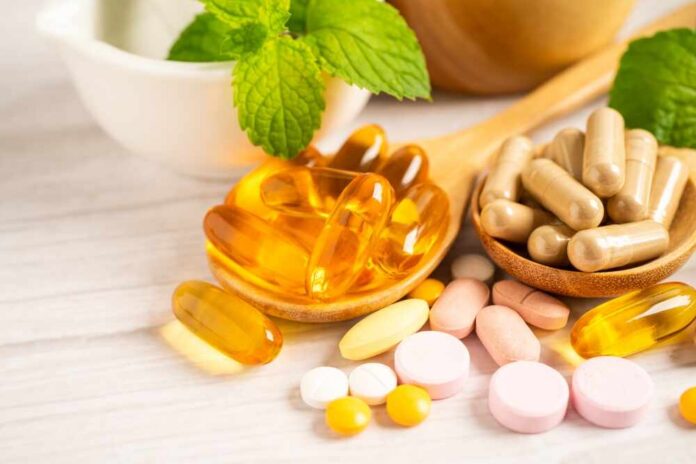
“Antioxidant” is a category label, not a single substance. Vitamin C in an orange is not the same as high-dose tablets, and neither equals intravenous dosing. Selenium, vitamin E, glutathione boosters, herbal extracts, and antioxidant blends all behave differently. The form also matters: fat-soluble compounds can accumulate; combination products hide multiple actives; “proprietary blends” make it impossible to know what the patient actually took when side effects appear.
Timing is the other missing piece. Food-based antioxidants consumed as part of normal meals rarely raise eyebrows because the exposures are moderate and the body handles them predictably. High-dose supplementation timed around treatment sessions is different: it can change redox balance, affect liver enzymes, and influence how cells respond to stress. When a therapy’s intent is to push cancer cells past a survival threshold, buffering that stress at the wrong moment can be the opposite of “support.”
How Patients Should Handle Supplements Without Playing Roulette
Patients should run supplements like a medication reconciliation, not a casual habit. Write down every pill, powder, tea, and “immune” gummy, including dose and brand. Bring that list to the oncologist and pharmacist, then ask two direct questions: could this reduce treatment effectiveness, and could this increase toxicity or bleeding risk? The right answer may be “stop,” “pause during chemo,” “switch to food sources,” or “safe at this dose.”
Refuse vague guidance from anyone who can’t name the active ingredient and the reason. “Detox,” “cellular protection,” and “balances inflammation” are marketing phrases, not clinical plans. Patients also should watch for red flags: products with mega-doses, blends with hidden ingredients, or programs that push subscriptions. Financial prudence counts here; money spent on unproven supplements often crowds out better spending on nutrition counseling, physical therapy, or transportation for appointments.
The Bottom Line: Treat Antioxidants Like Tools, Not Talismans
Antioxidants are neither saints nor villains; they’re tools with contexts. The treatment team’s job is to maximize cancer control and minimize harm, using therapies with track records and monitoring. The patient’s job is to avoid introducing uncontrolled variables that muddy that monitoring. The best “support” often looks boring: adequate protein, stable weight, walking when possible, sleep, and strict adherence to the regimen that offers real odds.
Sources:
In-depth Reporting Strategies for Civic Journalism
How to write the story of your research
How to Approach In-Depth Reporting
Basic steps in the research process