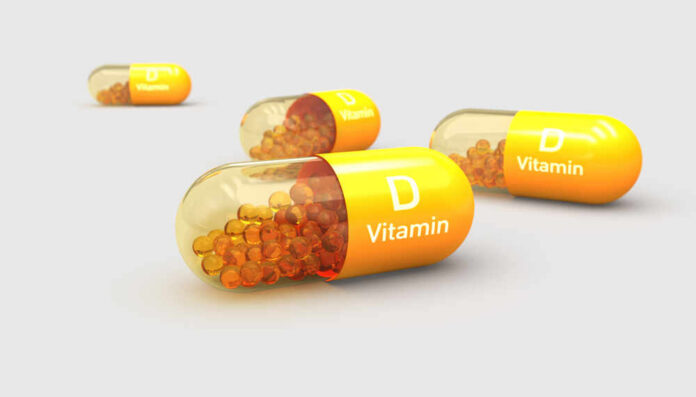
A Mayo Clinic study just revealed that vitamin D doesn’t merely ease IBD symptoms—it fundamentally rewires how your immune system talks to your gut bacteria, potentially shifting treatment from managing inflammation to actually restoring immune tolerance.
Quick Take
- Vitamin D supplementation increased protective antibodies (IgA) while decreasing inflammatory markers (IgG) in IBD patients over 12 weeks
- Researchers identified specific immune cell changes suggesting vitamin D restores immune tolerance rather than simply suppressing inflammation
- The 48-patient study represents the first comprehensive analysis of vitamin D’s role in immune-microbiome interactions in IBD
- Results suggest a paradigm shift from symptom management toward addressing root causes of inflammatory bowel disease
The Immune System’s Misguided War
Inflammatory bowel disease emerges when your immune system wages war against harmless gut bacteria, triggering the chronic inflammation that defines Crohn’s disease and ulcerative colitis. Your gut microbiome becomes imbalanced—dysbiosis sets in—while your intestinal barrier deteriorates and inflammatory cytokines flood the system. Despite decades of research, scientists still grapple with why this happens. Now, vitamin D emerges as a potential answer to a question medicine has struggled to solve for years.
The Study That Changes Everything
Dr. John Mark Gubatan’s team at Mayo Clinic enrolled 48 IBD patients with low vitamin D levels, administering weekly supplements for 12 weeks. Researchers collected blood and stool samples before and after treatment, using advanced sequencing to map the intricate dance between immune responses and gut microbiota. The results suggested something remarkable: vitamin D didn’t just reduce inflammation—it fundamentally rebalanced how the immune system recognized and responded to gut bacteria.
Vitamin D supplementation increased protective immunoglobulin A (IgA), the antibody supporting immune tolerance, while decreasing inflammatory immunoglobulin G (IgG). Regulatory immune cells—the body’s peacekeepers—surged in activity. Disease activity scores improved. Stool-based inflammation markers declined. These weren’t marginal changes; they represented measurable shifts in immune tolerance mechanisms.
Why This Matters More Than Symptom Relief
Current IBD treatments suppress the immune system or reduce inflammation—they manage symptoms without addressing root causes. Vitamin D operates differently. By enhancing the NOD2 pathway crucial to immune response against gut bacteria, vitamin D contributes to T-lymphocyte regulation and anti-inflammatory cytokine production. Beneficial bacteria like Roseburia produce anti-inflammatory regulatory T cells, while Faecalibacterium prausnitzii synthesizes butyrate, essential for gut balance. Vitamin D amplifies these protective mechanisms.
Dr. Gubatan explained the significance: “This study suggests vitamin D may help rebalance how the immune system sees gut bacteria. That’s an important step toward understanding how we might restore immune tolerance in IBD.” The distinction matters profoundly. Symptom suppression treats disease manifestations; immune tolerance restoration addresses disease origins.
The Practical Reality: What Happens Now
Healthcare providers will likely begin assessing vitamin D status in IBD patients. Gastroenterologists may incorporate vitamin D evaluation into standard protocols. IBD patients may seek supplementation, creating clinical demand for guidance. The pharmaceutical industry watches closely—vitamin D-based therapeutics represent commercial opportunity. Research will accelerate toward larger, randomized controlled trials.
Yet caution remains warranted. The researchers explicitly stated this wasn’t a randomized trial and cannot establish causation. Forty-eight patients require validation in larger, diverse populations. Optimal dosing remains unclear. Long-term effects beyond 12 weeks remain unknown. Different IBD phenotypes may respond differently. Patients should consult healthcare teams before changing vitamin D use.
This research represents early-stage evidence, not definitive treatment protocol. But it signals something important: the future of IBD management may involve restoring what the immune system should do naturally—tolerating harmless gut bacteria—rather than simply suppressing what it does abnormally. For millions managing this debilitating disease, that distinction could prove transformative.
Sources:
Vitamin D Linked to Gut Microbiome Changes in IBD Patients
Vitamin D and the Gut Microbiome: Mechanisms and Clinical Implications
Vitamin D Shows Promise in Resetting Immune System Response in IBD
Vitamin D Linked to Immune Response to Gut Microbiome in Inflammatory Bowel Disease
Vitamin D Deficiency and Inflammatory Bowel Disease: Clinical and Mechanistic Insights