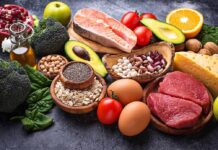
A new TODAY Food segment points to two surprising kitchen staples, cocoa powder and canned sardines, as foods backed by research for supporting brain health.
Story Snapshot
- TODAY Food highlights cocoa powder and sardines among foods linked to brain health in new reporting.
- Sardines pack omega-3 fats, protein, vitamin D, and B12, nutrients tied to lower dementia risk in studies.
- Cocoa’s flavanols may boost blood flow to the brain and were linked to better memory test scores.
- Health experts stress these foods work best as part of a full healthy eating pattern, not as a magic fix.
Cheap Pantry Staples Get the Spotlight
TODAY’s video “Which Foods Are Best for Boosting Brain Health?” names cocoa powder and sardines as two foods worth adding to your plate. The segment pulls from newer research on diet and brain function, framing both items as affordable, easy-to-find options rather than expensive supplements or trendy superfoods.
Sardines earn their spot because of a dense nutrient package. A single can delivers about two grams of omega-3 fatty acids, plus protein, vitamin D, B12, calcium, and zinc, according to Cleveland Clinic dietitian Julia Zumpano and nutrition expert Keri Glassman. Those nutrients support nerve function and may help reduce inflammation in the brain over time.
Seafood Habits Linked to Lower Dementia Risk
Beyond individual nutrients, TODAY reports that studies have connected eating seafood once a week with a lower risk of Alzheimer’s disease and dementia. The World Health Organization also lists fish among the individual foods most consistently tied to reduced dementia risk, based on a review of global health data. Researchers caution these are patterns seen in large groups, not guarantees for any one person.
Cocoa’s case rests on a different mechanism. TODAY explains that cocoa beans are rich in flavanols, plant compounds that may lower inflammation and boost blood flow to the brain. Earlier TODAY reporting notes one tablespoon of unsweetened cocoa powder carries flavanol levels similar to an ounce of dark chocolate, but with far fewer calories, around 15 instead of 150.
Lab Numbers Show Mixed Results on Supplements
One study cited in that earlier coverage found people who drank a higher-cocoa beverage performed better on memory tests than those given a lower-dose version. But broader research on omega-3 pills tells a murkier story. A 2016 Cochrane review of three trials with 632 participants found no clear benefit from omega-3 supplements for treating mild-to-moderate Alzheimer’s disease. That gap between whole foods and concentrated supplements matters for anyone shopping for a quick fix.
Nutrition scientists generally point to full eating patterns, not single foods, as the strongest evidence-backed path to brain health. Government dietary reviewers found that a mix of vegetables, fruits, nuts, legumes, and seafood eaten over time links to lower risk of cognitive decline. The World Health Organization’s own guidelines recommend a Mediterranean-style diet for adults hoping to protect their memory as they age.
What Experts Say This Means for Your Grocery List
None of this means cocoa powder or sardines alone will prevent dementia or reverse memory loss. The TODAY reporting treats both foods as useful additions within a broader healthy diet, not standalone cures. Cleveland Clinic nutrition guidance echoes that same message, framing brain-friendly eating as a long-term pattern built from many foods working together rather than one star ingredient.
For readers tired of confusing health headlines, the takeaway is simple. Swapping some processed snacks for a can of sardines or a spoonful of unsweetened cocoa costs little and fits easily into daily meals. The stronger scientific backing still favors overall diet quality over any single “miracle food,” a distinction worth remembering before chasing the next viral health trend.
Sources:
youtube.com, today.com, yoursun.com, pmc.ncbi.nlm.nih.gov, ncbi.nlm.nih.gov, iris.who.int