Small protein upgrades at each meal can help you keep muscle, feel fuller, and stay strong as you age.
Story Snapshot
- Most adults need about 0.8 grams of protein per kilogram of body weight daily.
- Older adults may benefit from 1.0–1.6 grams per kilogram and steady protein at meals.
- Splitting protein across breakfast, lunch, dinner, and snacks supports muscle building signals.
- Simple food swaps add 20–30 grams per meal without relying on powders.
Why Protein Timing And Amount Matter After 40
Age reduces how well the body turns protein into muscle. Daily totals still count, but the spread across meals matters too. Reviews suggest older adults do better when they hit enough protein at one or more meals to trigger muscle building. Many fall short at breakfast, then overload dinner, which wastes opportunity. Aiming for a steady dose at each meal supports strength, balance, and the ability to carry groceries or climb stairs with confidence.
Numbers help set a target, not a ceiling. The recommended dietary allowance for adults is about 0.8 grams per kilogram per day. That is the floor for general health, not a one-size-fits-all plan. Needs rise with age, illness, or resistance training. Older adults often benefit from 1.0–1.6 grams per kilogram per day, paired with movement and safe strength work. The goal is function: keep muscle, protect bones, and reduce falls, not chase a bodybuilder’s diet.
Build A High-Protein Plate Without Overthinking
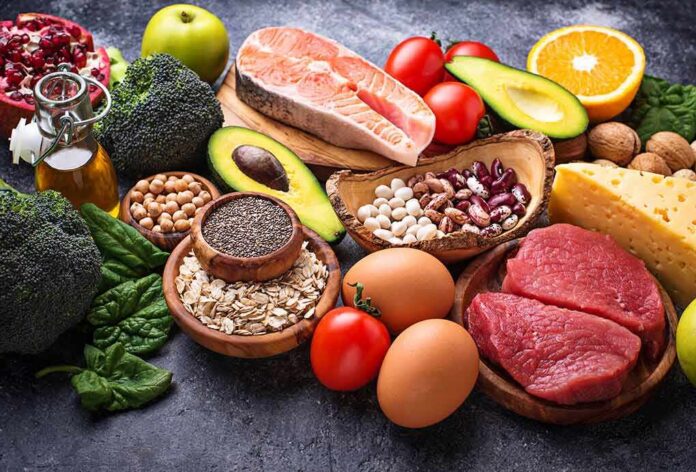
Use a simple rule: anchor each meal with a clear protein, then add plants and smart carbs. Pick one core protein, one vegetable, one fiber booster, and one flavor. Try eggs with cottage cheese and tomatoes on whole-grain toast. Try Greek yogurt with berries, chia, and chopped nuts. Try salmon with quinoa and broccoli. Try beans with brown rice, peppers, and avocado. Each combo lands near 20–30 grams of protein, which supports muscle signals in older adults.
Stock your kitchen with everyday protein wins. Keep canned tuna, salmon, and beans on the shelf. Keep eggs, plain Greek yogurt, milk, and tofu in the fridge. Keep chicken thighs, lean beef, and frozen edamame in the freezer. Add nuts and seeds for snacks and toppings. These foods are dependable and budget friendly. The Dietary Guidelines for Americans also remind us to limit cured and highly processed meats to manage sodium and overall diet quality.
Simple Swaps That Add 10–20 Grams Fast
Upgrade breakfast by trading jam toast for two eggs on whole-grain toast with a side of Greek yogurt. Upgrade lunch by swapping lettuce-only salads for bowls with chicken, tuna, tofu, beans, or cottage cheese. Upgrade snacks by swapping chips for a yogurt cup, a cheese stick with an apple, or roasted chickpeas. Upgrade dinner by adding an extra half-cup of beans to chili or choosing salmon over a low-protein pasta. These swaps stack up over a week and support strength.
7-Day Protein Diet Plan for Weight Loss
🥗 This 7-Day Protein Diet Plan is packed with high-protein meals, fat-burning tips, and easy recipes to help you stay full, energized, and on track.https://t.co/SfdzVkP6h2 pic.twitter.com/pF3EwQ08jt
— Healthawei (@onlinedot) November 3, 2026
Make the animal-versus-plant debate work for you, not against you. You do not need to pick a side. Mix options to match taste, budget, and health goals. Fish offers protein and healthy fats. Beans add protein and fiber. Dairy and soy are versatile and easy. Lean meats fit when prepared simply. A mixed plan is easier to follow and improves nutrients across the board. That balance is common sense and lines up with mainstream guidance for adults.
How Much Per Meal, And Who Should Be Careful
Think in meal goals more than daily math. Many adults do well aiming for about 20–30 grams at breakfast, lunch, and dinner. Older adults may need the higher end to flip on muscle-building signals. Spreading intake across the day helps the body use what you eat. People with kidney or liver disease and those on certain medicines should talk with a clinician before raising protein. Moderation, hydration, and varied sources keep the plan safe and sustainable.
Keep It Real: Food First, Powders As Plan B
Whole foods bring more than protein. They bring calcium, iron, fiber, and healthy fats. That matters for bones, heart health, and digestion. Protein powders can help when appetite, time, or chewing make meals hard. Choose simple ingredient lists and add powders to meals, not in place of them. Most adults can hit targets with eggs, dairy, beans, fish, soy, and meats. Whole-food anchors build habits you can keep for decades, not weeks.
Sources:
artofhealthyliving.com, health.clevelandclinic.org, health.harvard.edu, acl.gov