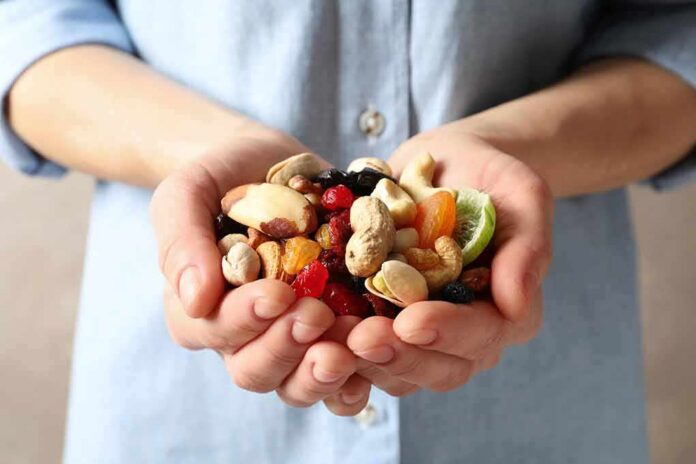
Women who ate nuts five or more times a week cut their risk of type 2 diabetes by nearly 30 percent compared to women who almost never touched them.
Story Snapshot
- A landmark Harvard-based study of over 83,000 women found frequent nut eaters had a much lower rate of type 2 diabetes.
- Researchers adjusted for weight, family history, exercise, and smoking, and the link held up.
- Later reviews and lab studies show nuts can lower blood sugar markers and insulin resistance, though results vary by nut type and amount.
- Some newer meta-analyses find a weaker or mixed connection, showing this is still an evolving area of nutrition science.
The Original Study That Started The Conversation
Back in 2002, researchers published a study in the Journal of the American Medical Association tracking tens of thousands of women in the Nurses’ Health Study. They found nut consumption was “inversely associated with risk of type 2 diabetes” even after controlling for major risk factors like body weight and family history. That means the protective link wasn’t just because thinner or more active women happened to snack on almonds.
Harvard’s own reporting on the study put a number on it. Women eating nuts at least five times a week lowered their type 2 diabetes risk by almost 30 percent compared to those who rarely or never ate them. A separate analysis of the same data pegged the reduction closer to 25 percent for women eating a one-ounce serving more than five times weekly, showing consistent findings across the research team’s own follow-up papers.
Why Nuts Might Help Blood Sugar
Nuts are packed with unsaturated fats, fiber, magnesium, and plant compounds that slow down how fast sugar hits the bloodstream. Scientists believe this combination helps the body respond better to insulin, the hormone that moves sugar out of blood and into cells. One meta-analysis found tree nuts at a median dose of about 56 grams a day meaningfully lowered both blood sugar and long-term blood sugar markers compared to control diets.
Clinical trials swapping refined carbs for nuts back this up. In one trial, replacing carbohydrate calories with a full dose of nuts led to a measurable drop in long-term blood sugar levels, even though the drop was modest. Another controlled study found a similar improvement using 100 grams of nuts a day, reinforcing that portion size matters when nuts replace less healthy foods rather than just adding calories on top.
The Bigger Research Picture Is More Nuanced
Not every study lines up perfectly with the original Harvard findings, and that’s worth understanding rather than ignoring. A broader systematic review combining several large studies found a smaller, less certain reduction in diabetes risk, with confidence intervals wide enough that the effect wasn’t statistically guaranteed. Some researchers argue that once you fully account for body weight, the strength of the nut-diabetes link shrinks considerably.
Other pooled studies still land solidly in nuts’ favor. One large cohort found every extra weekly serving of nuts was tied to a small but real drop in metabolic syndrome and weight gain risk. A separate Mediterranean diet study found people eating more than three servings of nuts weekly had notably lower odds of diabetes and obesity compared to those eating less than one serving. Scientists generally agree nuts fit well into diets built around whole foods and less processed sugar.
What This Means For Your Grocery List
Randomized trials that directly test cause and effect, rather than just watching what people already eat, tend to show smaller benefits than big observational studies. That’s a known pattern across nutrition science, not just with nuts. Still, multiple trials confirm nuts improve insulin resistance measures like HOMA-IR, even when they don’t always move long-term blood sugar markers dramatically.
Peanut butter and tree nuts appear to carry slightly different benefits. One systematic review found peanut butter consumption specifically linked to lower diabetes risk, while whole peanuts and tree nuts showed a less consistent connection on their own. For everyday eaters, the practical takeaway is straightforward: a modest daily handful of nuts, swapped in for chips, crackers, or sugary snacks, lines up with decades of research pointing toward better blood sugar control and a lower long-term diabetes risk.
🥜 CME INDIA | CLINICAL PEARLS
NUTS & CARDIOMETABOLIC HEALTH
Small handful – Meaningful evidenceNuts are energy-dense, but they are not simply “high-fat foods.” They provide predominantly unsaturated fats, plant protein, fibre, minerals, phytosterols, and other bioactive… pic.twitter.com/CqI9qB8RXK
— CME INDIA (@CMEINDIA1) September 28, 2026
Nutrition science rarely hands down one clean verdict, and nuts are no exception. But the weight of evidence, from a 20-year-old Harvard cohort to modern controlled trials, keeps pointing the same direction. A daily serving of nuts is cheap, easy, and backed by real data as a smart move for anyone watching their blood sugar.
Sources:
mindbodygreen.com, jamanetwork.com, pmc.ncbi.nlm.nih.gov, health.harvard.edu, sciencedirect.com, cambridge.org, pubmed.ncbi.nlm.nih.gov, d-nb.info