Lung cancer kills more Americans than any other cancer, yet a simple annual scan can catch it early enough to save your life — and most people who qualify never get one.
Story Snapshot
- Lung cancer causes about one in five cancer deaths in the U.S., often because it shows no symptoms until it has spread.
- A low-dose CT scan is recommended yearly for adults aged 50 to 80 with a significant smoking history — and more than 90% of spots found are not cancer.
- New treatments including immunotherapy and targeted drugs are pushing survival times years beyond what was possible a decade ago.
- Small cell lung cancer, long considered nearly untreatable, now has a drug that meaningfully extends lives in second-line treatment.
The Cancer That Kills Quietly Before Anyone Notices
Lung cancer does not announce itself early. A persistent cough, some blood in the mucus, a wheeze, or just unusual fatigue — these are the warning signs most people brush off as something minor. By the time a diagnosis comes, the cancer has often spread. That late-stage discovery is why lung cancer accounts for roughly one in five cancer deaths, making it the deadliest cancer in the country. The biology is brutal: tumors can grow for years inside the lungs with no pain and no obvious alarm.
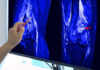
This is exactly why screening matters so much. A low-dose CT scan takes minutes and uses far less radiation than a standard chest scan. It can find tumors when they are still small, still localized, and still very treatable. The U.S. Preventive Services Task Force recommends this scan every year for adults between ages 50 and 80 who have smoked at least one pack a day for 20 years and currently smoke or quit within the last 15 years. That covers millions of Americans. Yet screening rates remain frustratingly low, particularly among people without insurance or a regular doctor.
Why That Scary Spot on Your Scan Is Probably Nothing
One reason people avoid screening is fear of what the scan might find. That fear is understandable but largely misplaced. More than 90% of lung spots found during screening turn out to be benign. Most are just scar tissue or small calcium deposits, not cancer. Doctors monitor them with follow-up scans rather than rushing to surgery. The risk of unnecessary invasive procedures is quite low — less than half a percent in well-run screening programs. Finding a spot is not a diagnosis. It is a reason to keep watching.
Treatments That Did Not Exist Ten Years Ago
If lung cancer is found, the treatment options today are dramatically better than they were even a decade ago. Surgery now uses smaller incisions and techniques designed to spare as much healthy lung tissue as possible, which speeds recovery and protects breathing. Immunotherapy works by essentially waking up the body’s own immune system so it can recognize and attack cancer cells. Side effects do occur, but doctors say they are manageable when caught early. These are not minor upgrades — they represent a fundamental shift in how the disease is fought.
Targeted drug therapies have added another layer of precision. Patients whose tumors carry specific gene mutations can now receive drugs designed to block those exact pathways. One trial called FLAURA2 tested a drug called osimertinib combined with chemotherapy in patients with a common mutation known as EGFR-positive non-small cell lung cancer. The combination extended median survival by about 10 months, pushing it close to four years. That kind of gain would have been almost unthinkable in lung cancer not long ago.
Small Cell Lung Cancer Finally Gets a Real Treatment Win
Small cell lung cancer has historically been the harder, grimmer diagnosis. It spreads fast and responds poorly to most treatments after the first round. That picture is changing. A drug called tarlatuximab is now considered the standard of care for patients whose small cell lung cancer has returned after initial treatment, based on a clear overall survival benefit shown in clinical trials. Oncologists presenting at the American Society of Clinical Oncology described this as a genuine turning point for a disease that had seen almost no meaningful progress for decades.
Mayo Clinic Q&A: What do I need to know about lung cancer? https://t.co/Sima9TzZQ1
— Thrive Long Naturally (@ThriveLngNatrly) June 28, 2026
There is still work to do. Newer risk-based screening models that use individual calculators rather than age and smoking history alone may eventually identify high-risk people that current guidelines miss. Access gaps also remain real — rural patients and the uninsured are far less likely to get screened even when they qualify. But the direction of travel is clear. Earlier detection saves lives. Newer treatments extend them. If you or someone you love fits the screening criteria, the most important move is a simple conversation with a doctor about getting that annual scan scheduled.
Sources:
youtube.com, uspreventiveservicestaskforce.org, cancerblog.mayoclinic.org, cdc.gov, mayoclinic.org