A groundbreaking review of 15 clinical trials spanning continents and over 4,000 participants reveals that modifying your gut microbiome can sharpen memory and slow cognitive decline—and one intervention outpaced the rest by a striking margin.
Story Snapshot
- Systematic review analyzed three gut interventions in 4,275 adults over 45 with cognitive impairment or dementia risk across Europe, Asia, North America, and the Middle East
- Fecal microbiota transplantation delivered the fastest and most pronounced cognitive improvements, surpassing dietary changes and probiotic supplements
- Mediterranean and ketogenic diets plus probiotics improved memory and executive function moderately, especially in early-stage impairment
- Benefits were strongest in mild cognitive decline but limited in advanced Alzheimer’s cases
- Long-term safety and stability of fecal transplants remain uncertain, requiring larger controlled trials
The Gut-Brain Highway That Changes Everything
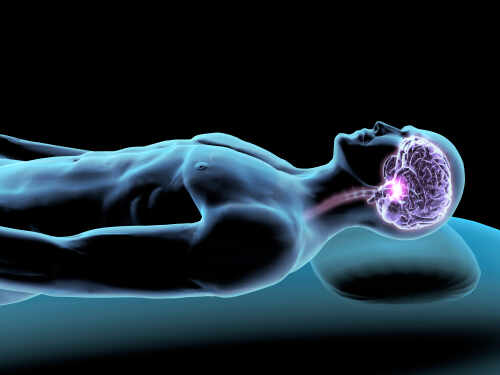
For decades, neuroscientists treated the brain as an isolated command center. That thinking crumbled when researchers traced how trillions of gut bacteria manufacture neurotransmitters, regulate inflammation, and breach the blood-brain barrier via metabolites like short-chain fatty acids. Aging disrupts this microbial ecosystem—diversity plummets, inflammatory strains like Parabacteroides goldsteinii surge, and communication along the vagus nerve to the hippocampus falters. The 2022 confirmation of microbiota-cognition links set the stage for the latest synthesis: testing whether deliberate gut interventions could reverse the cognitive toll of a disordered microbiome in humans, not just mice.
Three Contenders, One Clear Winner
The review pitted dietary strategies—Mediterranean and ketogenic diets, omega-3 supplements—against probiotic and synbiotic pills, and fecal microbiota transplantation. Diets delivered moderate gains in memory and executive function by boosting microbial diversity slowly. Probiotics increased GABA production and global cognition with comparable moderation. Fecal transplants, however, induced rapid, dramatic microbial shifts. One trial transplanted stool from healthy donors into five Alzheimer’s patients; memory, attention, and problem-solving scores jumped immediately post-treatment. The review authors noted fecal transplants’ “more rapid and pronounced” microbial changes compared to the slower, steadier effects of diet and supplements.
Why Transplants Dominate but Aren’t Ready for Prime Time
Fecal microbiota transplantation floods the gut with a complete donor ecosystem, restructuring microbial networks wholesale rather than incrementally. This wholesale replacement accelerates production of neuroprotective metabolites and quells inflammation faster than dietary fiber or probiotic capsules can achieve. Yet the intervention remains experimental. Researchers flagged unknown long-term safety profiles and microbial stability—transplanted communities might not persist, or could trigger unforeseen immune reactions. No regulatory body approves fecal transplants for cognitive decline outside clinical trials. The dramatic results demand larger randomized controlled trials before clinicians prescribe stool donations to aging patients worried about memory lapses.
Diets and Probiotics Still Deliver Reliable Gains
Mediterranean and ketogenic diets remain accessible, low-risk options. High fiber intake from vegetables, legumes, and whole grains feeds beneficial bacteria that produce butyrate and propionate, short-chain fatty acids that reduce neuroinflammation and strengthen the blood-brain barrier. Ketogenic diets shift metabolism toward ketones, which also support microbial diversity. Probiotics and synbiotics—live bacteria paired with prebiotic fuel—deliver similar benefits via strains like Akkermansia muciniphila, known for anti-inflammatory effects. These interventions take weeks to months to reshape the microbiome, but their safety records and scalability make them practical first-line strategies for adults over 45 facing early cognitive impairment.
Timing Is Everything for Maximum Brain Protection
The review revealed a critical window: interventions worked best in mild cognitive impairment, delivering measurable improvements in memory and executive tasks. Advanced Alzheimer’s cases showed limited response, suggesting microbial interventions must begin before severe neurodegeneration entrenches. Parallel research from Stanford demonstrated that reversing gut inflammation in aging mice restored memory by repairing vagus nerve signaling to the hippocampus—a surprising degree of reversibility researchers hadn’t anticipated. Biomarker studies identified six gut metabolites, including indole-3-propionic acid, that distinguish healthy cognition from impairment, enabling earlier detection. The message: address the gut-brain axis early, before cognitive decline becomes irreversible.
The Microbiome Therapy Boom Is Just Beginning
Nutraceutical companies are racing to commercialize probiotics mimicking fasting’s brain benefits, while biotech firms refine fecal transplant protocols for safety and stability. Neurodegeneration research is pivoting from exclusively drug-focused approaches to gut-brain therapies. The economic divide looms large: Mediterranean diets and probiotic supplements cost pennies per day and scale globally, while fecal transplants require clinical infrastructure, donor screening, and transplant procedures that push costs into thousands of dollars. For older adults seeking prevention, diets and probiotics offer immediate, evidence-backed action. For those with progressing impairment willing to enter trials, fecal transplants represent a frontier with unmatched speed—and unanswered questions.
Sources:
Your Gut-Brain Link May Offer a New Way to Fight Cognitive Decline
3 Science-Backed Ways To Support Memory & Brain Health With Diet
Science Advances – Intermittent Fasting and Microbiota Effects
Microbiota and Cognition Systematic Review
Stanford Medicine – Gut-Brain Communication Reverses Cognitive Decline
Advisory Board – Gut Markers for Cognitive Decline
Baptist Health – Gut Microbiome and Early Dementia Detection
Nutrition Reviews – Microbiota Interventions and Cognitive Function
Frontiers in Aging Neuroscience – Gut-Brain Axis Research