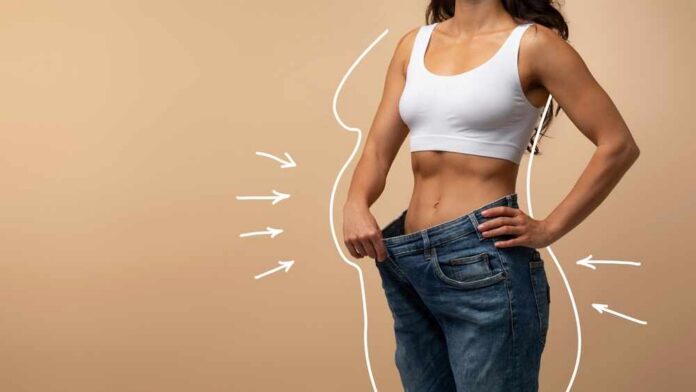
A naturally produced hormone torches fat by igniting your body’s metabolic furnace, potentially upending obesity treatments without curbing hunger.
Story Highlights
- University of Oklahoma researchers pinpoint FGF21 hormone activating hindbrain circuit for major weight loss in obese mice.
- Unlike Ozempic’s appetite suppression, FGF21 ramps up energy expenditure via brainstem pathway.
- Discovery challenges prior hypothalamus assumptions, opens doors for GLP-1 alternatives.
- Already in human trials for fatty liver disease, with obesity applications emerging.
- Targets over 1 billion obese individuals seeking metabolism-boosting options.
University of Oklahoma Unveils FGF21’s Brain Mechanism
Researchers at the University of Oklahoma published findings in Cell Reports showing fibroblast growth factor 21 (FGF21) triggers weight loss in obese mice. The liver-produced hormone activates a hindbrain circuit, specifically the nucleus of the solitary tract and area postrema. These regions signal the parabrachial nucleus to elevate energy expenditure. Lead investigator Dr. Matthew Potthoff’s team overturned expectations by proving hindbrain dominance over the hypothalamus in FGF21 action. This pathway burns calories directly, sidestepping appetite reduction.
FGF21 Diverges Sharply from GLP-1 Drugs
GLP-1 agonists like semaglutide suppress hunger by mimicking gut hormones, dominating obesity care despite nausea and muscle loss side effects. FGF21 operates differently, enhancing metabolic rate without food intake changes. Potthoff noted the hindbrain overlap with GLP-1 targets but emphasized distinct mechanisms: GLP-1 curbs calories in, FGF21 accelerates burn out. This positions FGF21 for patients intolerant to appetite drugs, aligning with preference for natural metabolic levers over forced starvation.
Early 2000s studies first identified FGF21 regulating glucose and lipids in mice, improving insulin sensitivity independently of eating habits. Decades of preclinical work advanced analogs for metabolic diseases, culminating in 2026 hindbrain revelations building on MASH trials.
Timeline Traces FGF21 from Discovery to Breakthrough
FGF21 emerged in the early 2000s as a metabolic regulator linked to fatty liver disease trials. December 2025 brought FGF19 research, a related intestine hormone firing up hypothalamus-driven fat burning in mice. April 2026 marked the University of Oklahoma’s Cell Reports publication and April 16 news release detailing FGF21’s hindbrain role. Media coverage followed swiftly, highlighting preclinical progress toward human applications.
Potthoff expressed surprise at the hindbrain finding, stating this circuit mediates FGF21 effects, urging further MASH studies. Video analyses describe FGF21 turning up the body’s furnace, contrasting GLP-1’s intake throttle. Prof. Helena Cristina de Lima Barbosa noted FGF19’s thermogenic boost alongside appetite control.
Scientists discover natural hormone that reverses obesity https://t.co/ELVFs7aBcv
— Just Here For The News (@ktho641521) April 18, 2026
Implications Reshape Obesity Treatment Landscape
Short-term, hindbrain validation accelerates FGF21 drug development targeting non-responders to GLP-1s. Long-term, it promises obesity reversal through sustained metabolism hikes, benefiting over 1 billion sufferers globally, especially MASH patients and GLP-1 dropouts. Economic ripples expand the $100 billion-plus market; socially, it reframes obesity as hormonal imbalance, reducing stigma via science-backed fixes.
Pharma shifts from suppression to expenditure focus, spurring FGF analog pipelines for diabetes and obesity. Mouse data limits human predictions, demanding trials, yet facts support optimism. Natural GLP-1 boosters like exercise or berberine offer modest gains around 4.5 pounds, underscoring FGF21’s superior potential without hype.
Sources:
Could a natural hormone reverse obesity? New research reveals the answer
Natural hormone unlocks a hidden fat burning switch – ScienceDaily
Can You Boost GLP-1 Naturally? – WebMD
Scientists Say This Natural Hormone Reverses Obesity by Targeting the Brain
Cracking the combination: Gut hormones for the treatment of obesity