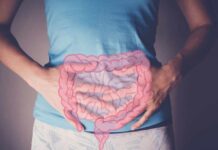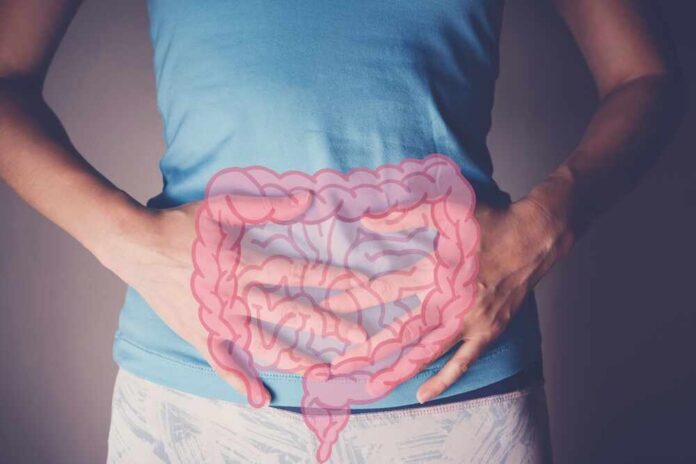
Millions of Americans suffer from chronic bloating every day, and a board-certified gastroenterologist says the foods most people think are healthy could be the very thing wrecking their gut.
At a Glance
- Fiber-rich foods ferment in the gut and are among the most common triggers of bloating, according to gastroenterologist Dr. Kumkum Patel.
- Bacterial imbalances — including Helicobacter pylori infection and disruption caused by antibiotics — can also drive persistent bloating.
- Simple at-home remedies like drinking more water and consuming warm beverages may relieve constipation-related bloating.
- Peer-reviewed research supports dietary modification as a frontline strategy, particularly avoiding fermentable carbohydrates in irritable bowel syndrome patients.
The Surprising Foods Behind Your Bloating
Dr. Kumkum Patel, a gastroenterologist who specializes in irritable bowel syndrome and bloating, identifies fiber-rich foods as the most common culprit behind that uncomfortable, swollen feeling. The mechanism is straightforward: plant sugars that the body cannot fully digest travel to the large intestine, where gut bacteria ferment them and produce gas. Foods that seem virtuous — beans, cruciferous vegetables, whole grains — can be the very triggers causing daily misery for millions of Americans. [1]
A peer-reviewed National Institutes of Health review on the pathophysiology and treatment of bloating confirms this picture, noting that fermentable foods including dairy, fructose, fructans, fiber, and sorbitol are well-established contributors. The same review found that patients with irritable bowel syndrome experienced measurable improvement when they eliminated fermentable oligosaccharides, disaccharides, monosaccharides, and polyols — a dietary approach commonly called the low-FODMAP diet — from their meals. [2] For anyone who has been told to “eat more fiber” and has felt worse for it, this science finally offers a real explanation.
Bacteria, Antibiotics, and a Gut Out of Balance
Beyond food triggers, Dr. Patel points to bacterial causes that many people never consider. Helicobacter pylori — a bacterium that can be picked up through contaminated food, shared utensils, or close contact with an infected person — can cause both gastritis and significant bloating. Separately, courses of antibiotics, while sometimes medically necessary, can wipe out beneficial gut bacteria and allow harmful strains to flourish, creating a post-antibiotic dysbiosis that leaves patients bloated and uncomfortable long after the original infection has cleared. [1]
This is a reminder that the modern medical habit of prescribing antibiotics broadly carries real digestive consequences. While antibiotics save lives, their overuse has contributed to widespread gut disruption across the population. The peer-reviewed literature supports the use of targeted antibiotic therapy in specific bloating cases — such as small intestinal bacterial overgrowth — but emphasizes that treatment must be matched to the underlying cause rather than applied as a blanket fix. [2] Knowing what is actually driving the bloating matters before reaching for any remedy.
Practical Remedies You Can Start Today
Dr. Patel’s recommended starting point for constipation-related bloating is simple and free: water. She emphasizes hydration as the first at-home measure, advising patients to prioritize water intake before turning to other interventions. Warm beverages add an additional benefit — hot water and herbal teas may stimulate contractions in the colon, helping move things along and relieving the pressure and fullness that accompany constipation-driven bloating. [1]
The broader clinical evidence supports a tiered approach: start with dietary changes and hydration, incorporate exercise and posture adjustments, and consider probiotics or other targeted therapies based on specific symptoms. [2] Dr. Patel’s clinical practice in Newport Beach focuses precisely on these conditions, including irritable bowel syndrome and small intestinal bacterial overgrowth, giving her recommendations the grounding of daily clinical experience. [4] For the millions of Americans who have normalized feeling bloated after every meal, the message is clear — this is not something to simply endure. Identifying the specific trigger, whether it is fermentable foods, a bacterial imbalance, or inadequate hydration, is the first step toward genuine relief.
Sources:
[1] YouTube – Science Behind Bloating: Triggers & Effective Remedies for Stomach …
[2] YouTube – Triggers & Effective Remedies for Stomach Bloating ft. Dr …
[4] Web – Triggers & Effective Remedies for Stomach Bloating ft. Dr. Kumkum …