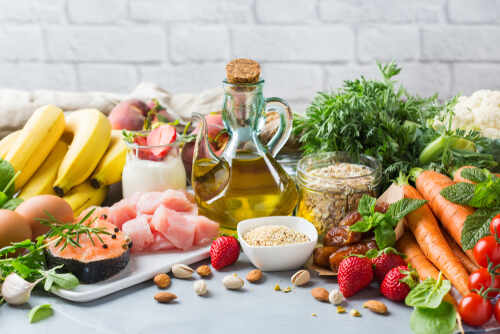
The fat in your olive oil may be feeding pancreatic cancer, and a new mouse study from Yale is forcing researchers to rethink one of nutrition’s most trusted assumptions.
Quick Take
- A Yale study published in Cancer Discovery found that oleic acid, the primary fat in olive oil, significantly accelerated pancreatic tumor development in mice.
- Omega-3-rich diets reduced pancreatic disease burden by roughly 50% in the same mouse model.
- A prior human cohort study found the opposite result for oleic acid, linking higher intake to lower pancreatic cancer risk.
- The mechanism involves ferroptosis, a form of cell death that different dietary fats either suppress or promote inside tumor cells.
The Fat That Was Supposed to Be Healthy Is Now Under Scrutiny
Oleic acid is the monounsaturated fat that made the Mediterranean diet famous. It is abundant in olive oil, avocados, and many nuts. Decades of research positioned it as cardiovascular-protective and broadly anti-inflammatory. That reputation is now complicated. Researchers at Yale found that diets rich in oleic acid significantly increased pancreatic tumor development in mice genetically predisposed to the disease. [4] The finding does not overturn the Mediterranean diet, but it does crack open a question most nutritionists assumed was settled.
The study, published in Cancer Discovery in 2026, examined how specific fat types, not total fat quantity, shaped pancreatic ductal adenocarcinoma progression. [2] Researchers found that linoleic acid, a polyunsaturated fat found in many plant-based oils, suppressed tumor development, while oleic acid drove it forward. Omega-3-rich diets cut disease burden by approximately half compared to controls. [4] The mechanism centers on ferroptosis, a regulated form of iron-dependent cell death. Different fats appear to either arm or disarm that cellular kill switch inside developing tumor cells.
How Fat Type Hijacks a Cancer Cell’s Self-Destruct Mechanism
Ferroptosis is not a new concept in cancer biology, but its connection to dietary fat intake is still being mapped. The basic idea is that certain polyunsaturated fats accumulate in cell membranes and become vulnerable to oxidative damage, triggering cell death. Oleic acid, being monounsaturated, resists that oxidation. [6] When pancreatic precancer cells absorb excess oleic acid, researchers theorize it effectively shields them from ferroptosis, allowing tumors to survive and expand that would otherwise self-destruct. That is a specific and testable mechanism, which gives this study more credibility than most dietary cancer claims.
Earlier research flagged the same concern. A prior abstract from the American Association for Cancer Research reported that excess dietary oleic acid primes the pancreas for cancer by directly incorporating into cellular lipids, altering the membrane composition of pancreatic cells in ways that promote precancerous progression. [6] The National Institutes of Health has an active funded project testing the same hypothesis in greater depth. [8] The convergence of independent lines of inquiry around this mechanism is notable and suggests the Yale findings are not an isolated result.
The Human Data Points in the Opposite Direction, and That Matters
Before anyone discards their olive oil, one critical counterpoint deserves serious attention. A cohort study published in Pancreatology found that higher dietary oleic acid intake was associated with a dramatically lower risk of pancreatic ductal adenocarcinoma in humans, with the highest intake group showing a hazard ratio of 0.29 compared to the lowest. [3] That is not a marginal difference. It directly contradicts the mouse model result. The proposed explanation in that human study was that oleic acid reduces hyperinsulinemia, which otherwise promotes DNA damage and tumor growth.
A surprising new study suggests that when it comes to pancreatic cancer, the kind of fat you eat may matter more than how much. Researchers found that oleic acid—the main fat in olive oil and several other common foods—sped up tumor growth in mice predispohttps://t.co/d40jshmOCz
— Michael W. Deem (@Michael_W_Deem) June 2, 2026
This is where the science gets genuinely complicated rather than just headline-ready. Oleic acid has also demonstrated anti-tumor effects in endometrial cancer models, inhibiting cell proliferation and tumor growth through entirely different pathways. [7] The same molecule can behave differently depending on the cancer type, the hormonal environment, and the experimental design. The Yale study also found that the tumor-promoting effects of oleic acid were more pronounced in male mice than in females, [2] which adds another layer of complexity before any human dietary recommendation could responsibly follow from this work.
What This Actually Means for How You Eat Right Now
Pancreatic cancer kills roughly 95% of patients within five years of diagnosis. [2] Any credible research pathway toward prevention deserves attention, even preliminary mouse data. The honest read of this study is that fat type appears to matter mechanistically in ways that total fat intake never captured, and omega-3 fats have now accumulated enough evidence across multiple cancer and cardiovascular studies to warrant consistent inclusion in any serious dietary strategy. Swapping some oleic-acid-heavy foods for fatty fish, walnuts, or flaxseed is a low-risk, evidence-adjacent move regardless of how the human trials eventually land.
The broader lesson from this research is one nutrition science keeps relearning: single-nutrient findings from animal models require human replication before they reshape dietary guidance. The mechanism here is specific enough and the preliminary evidence convergent enough to take seriously, but not so definitive that anyone should treat olive oil as a carcinogen. Watch this space. Human trials examining fat composition and pancreatic cancer risk are the logical next step, and the ferroptosis angle gives researchers a precise target to test.
Sources:
[2] Web – Protective role of oleic acid against palmitic acid-induced pancreatic …
[3] Web – The Type of Fat—Not the Amount—Fuels Pancreatic Cancer
[4] Web – Dietary oleic acid is inversely associated with pancreatic cancer
[6] Web – Dietary Fats Shape Pancreatic Cancer Risk via Ferroptosis | Newswise
[7] Web – Excess dietary oleic acid primes the pancreas for cancer
[8] Web – Oleic Acid Exhibits Anti-Proliferative and Anti-Invasive Activities …