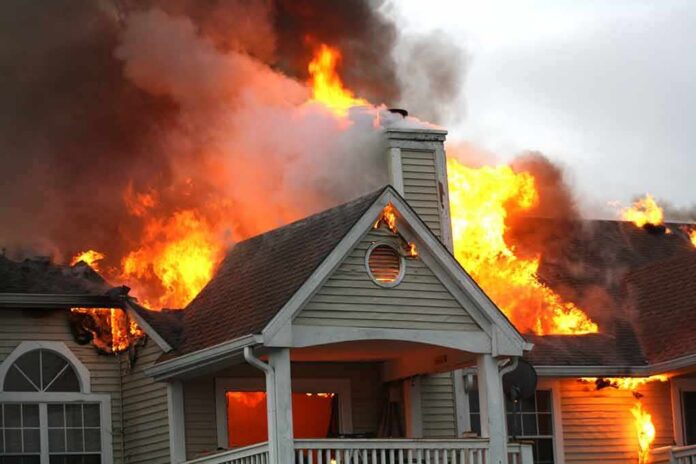
The top cause of home fires is not wiring in your walls—it is what happens on your stove.
At a Glance
- Cooking leads U.S. residential fires by a wide margin, year after year.
- Videos warn about cords and heaters, but those are smaller slices of the pie.
- Most cooking fires start when people step away from active heat.
- Simple kitchen habits cut the real risk fast, without spending big.
What The Data Actually Says About “Number One”
Federal fire data across a decade ranks cooking as the leading cause of residential building fires. The United States Fire Administration shows cooking at or near half of all such fires most years, far ahead of electrical malfunction, heating, and other causes. National Fire Protection Association research confirms the same pattern for home structure fires in recent five-year windows, with cooking also the top driver of home fire injuries. Claims that extension cords are the main cause do not fit those national totals.
Numbers, not anecdotes, should anchor home safety priorities. The United States Fire Administration’s breakdown shows cooking fires in the hundreds of thousands per year, while electrical malfunctions land much lower in count. One- and two-family homes and multifamily buildings both follow this cooking-first pattern, though apartment fires skew even more toward cooking and often stay small and contained. That base-rate gap is large enough to settle the “number one” debate for the typical household.
Why Cords And Space Heaters Still Deserve Respect
Household videos that call out extension cords, power strips, space heaters, and old electric blankets reflect real dangers you can hold in your hand. Electrical problems still cause painful losses each year. Dollar-loss estimates place electrical malfunction near the top for property damage, even if not for incidents, which explains why these fires feel so costly and scary when they strike. That point matters for insurance, for older homes, and for winter months when heat loads rise.
Targeted fixes help here. Avoid daisy-chaining power strips. Retire worn cords. Do not run cords under rugs, behind couches, or through doorways. Use space heaters with tip-over shutoff and a clear three-foot zone around them. If lights flicker or breakers trip, call a licensed electrician. Common sense says you do not trust a ten-dollar cord with a fifteen-amp load. That is not nanny-state thinking—that is protecting your family and your wallet.
The Kitchen Behaviors That Drive Most Fires
Kitchen fires rarely start with a mystery. People walk away from live burners. Oil overheats. Towels and packaging live too close to flame. The National Fire Protection Association links the worst cooking outcomes to ranges and cooktops and ties many fires to unattended cooking. The fix fits into everyday life. Stay within sight of active heat. Keep lids nearby to smother small pan fires. Turn pot handles inward. Set a loud timer when you step across the room, even “just for a minute.”
Grease behaves like a fuse. Heat it too long and it flashes fast. If a pan lights, slide a lid over it, kill the burner, and leave it covered until cool. Never throw water on a grease fire. Keep a small extinguisher rated for kitchens near your path out, not buried by the stove. Small habits compound. These moves reduce the most common ignition path by far, which is why national data keeps pointing to the kitchen as the front line.
Priorities That Respect Risk And Freedom
Personal responsibility beats new rules. Put effort where the evidence says it pays first. Train your family on kitchen routines. Add a working smoke alarm on every level and in sleeping areas. Check that you have grounded outlets and arc-fault and ground-fault protection where required by code. Swap suspect cords and old space heaters before they surprise you. These are low-cost, high-yield steps. They protect your home without telling you how to live—classic common sense backed by clear numbers.
Sources:
youtube.com, usfa.fema.gov, nfpa.org