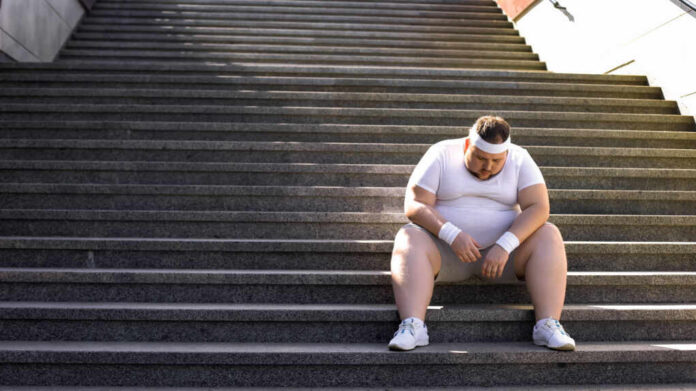
The strongest signal in this story is not that stress makes people eat more. It is that stress seems to steer people toward the foods most likely to pack on weight.
Quick Take
- One PLOS ONE study found higher stress levels were tied to more cravings and more reported weight gain.[1]
- The same study linked increased cravings with snacking and more high-sugar food intake.[1]
- Other research points to cortisol and ghrelin as part of the stress-eating chain.[4]
- The bigger truth is messier: stress matters, but sleep, baseline weight, and individual biology matter too.[2][7][13]
What the Study Actually Found
The headline comes from a 2023 PLOS ONE study of 179 people during the COVID-19 period. Participants with higher stress were more likely to report weight gain, and they were also about twice as likely to report stronger food cravings.[1] People who reported more cravings were much more likely to snack and to eat more high-sugar foods. That is the key detail. The study does not say stress always causes weight gain. It says stress lines up with the kind of eating that tends to do the most damage.[1]
That matters because not all calories behave the same in daily life. The study found the strongest links with cravings, snacking, and high-sugar or processed foods.[1] Those foods are easy to overeat and hard to stop once the habit starts. This fits older research showing stress can push people toward palatable, high-fat, high-sugar foods, especially when stress lasts longer than a moment.[5][8] The pattern is less about hunger and more about reward.
Why Cravings Can Beat Willpower
Stress changes the body in ways that can tilt eating behavior. Research in NIH-hosted reviews says chronic stress can raise cortisol, alter appetite-related hormones, and strengthen reward-driven eating.[4][5] One six-month study found higher baseline ghrelin predicted more food cravings later on, which suggests some people may enter a stress period already primed to seek food reward.[4] That helps explain why stress eating often feels automatic, not thoughtful.
There is also a simple behavioral trap. Under stress, people often reach for fast comfort, not balanced meals. Harvard Health and the American Psychological Association both describe a common shift toward high-calorie comfort foods, while noting that acute stress can sometimes suppress appetite at first.[7][8] In other words, stress does not act like a switch. It acts more like a nudge. Over time, that nudge can keep pointing toward the foods most likely to raise body weight.[7][8]
Why the Story Is Not That Simple
The evidence is real, but it is not absolute. A separate study found that food cravings only partly explained the link between chronic stress and body mass index, and the effect was small.[12] That is important. It means cravings are part of the story, not the whole story. Sleep, baseline weight, and other habits may matter just as much, and sometimes more. Harvard Health has also reported that stress-related weight gain showed up more clearly in people who were already overweight at the start.[13]
People do not gain weight from stress alone. They gain weight when stress keeps pushing them toward extra snacks, bigger portions, and sugar-heavy foods, day after day.[1][5] The science supports that chain. It does not support the idea that every stressed person will overeat, or that all cravings come from the same place.[7][13] That nuance matters because it keeps the focus on the real risk: repeated stress plus repeated comfort eating.
What Readers Should Take From It
The best takeaway is practical, not dramatic. Stress can raise the odds of cravings, and cravings can steer people toward the foods most linked to weight gain.[1][4] But the effect is not uniform, and it is not destiny.[12][13] For many people, the first warning sign is not the scale. It is the pattern: more snacking, more sugar, less control, and food that feels harder to resist at night than it does at noon.
That is why the most useful response is not shame. It is pattern recognition. If stress keeps sending you toward sweets, chips, or other quick comfort foods, the problem is not a lack of character. The problem is a predictable loop backed by research.[5][8] Break the loop, and the cravings often lose some of their power. Leave the loop untouched, and the scale usually tells the story later.
Sources:
[1] Web – These Types Of Cravings Are More Likely To Lead To Weight Gain, Study …
[2] Web – Influence of former stress levels on food craving and weight gain …
[4] Web – Stress, cortisol, and other appetite-related hormones – PMC – NIH
[5] Web – Why stress causes people to overeat – Harvard Health
[7] Web – Stress-Induced Eating and Body Mass Index
[8] Web – You Guessed It: Long-Term Stress Can Make You Gain Weight
[12] Web – Food cravings mediate the relationship between chronic stress and …
[13] Web – How Too Much Stress Can Cause Weight Gain (and What to Do …