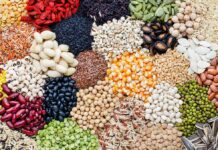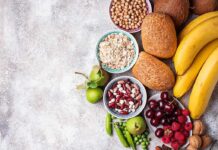
A vitamin found in leafy greens, beans, and fortified bread has been linked to a 30 percent drop in colorectal cancer risk among people who eat the most of it.
Story Snapshot
- A massive federal health study of over 525,000 older adults found high folate intake tied to notably lower colorectal cancer rates.
- Separate long-term research tracking nurses and health professionals backs up the pattern using repeated diet surveys over two decades.
- Randomized trials testing folic acid pills directly did not find the same protective effect against colon polyps.
- Health officials say folic acid supplements have not been shown to lower cancer risk in people who already get enough folate.
A Massive Study Finds A Striking Pattern
Researchers behind the NIH-AARP Diet and Health Study tracked more than 525,000 American adults between ages 50 and 71. People who consumed at least 900 micrograms of total folate a day had 30 percent lower colorectal cancer rates than those eating less than 200 micrograms daily. That is a big gap, and it comes from one of the largest diet-and-cancer studies ever run in the United States.
Folate is the natural form of vitamin B9, found in spinach, lentils, asparagus, and citrus fruit. Folic acid is the synthetic version added to fortified cereals, bread, and pasta since 1998, when the Food and Drug Administration required it to prevent birth defects. Both forms were included in the diet study’s folate totals, which makes it hard to credit one source over another for the observed benefit.
Decades Of Nurse And Doctor Health Records Add Weight
The Nurses’ Health Study and Health Professionals Follow-up Study offer a second, independent layer of evidence. Researchers gave food questionnaires every two to four years and tracked outcomes from 1980 through 2004, covering 2,299 colorectal cancers and 5,655 adenomas, which are the polyps that can turn cancerous. The scientists concluded their findings supported the idea that folate intake can slow the start or early growth of colorectal cancer.
Crucially, this long-running project found no clear sign that folic acid from fortified food or supplements raised cancer risk. That detail matters, because some earlier fears suggested added folic acid might feed existing abnormal cells rather than prevent new ones. The nurses and health professionals data pushed back against that worry across a quarter century of tracking.
Where The Pill-Form Evidence Gets Complicated
A randomized trial published in the Journal of the American Medical Association tested folic acid pills directly against polyp recurrence. Adenomas showed up in 44.1 percent of people taking folic acid compared to 42.4 percent on a placebo, a difference researchers called statistically meaningless. Advanced, more dangerous lesions appeared more often in the folic acid group too, though that gap also fell short of standard significance thresholds.
A later combined analysis pooling three major adenoma-recurrence trials, covering 2,632 patients, reached a similar flat conclusion. It found no overall benefit from folic acid supplementation on adenoma recurrence, with a relative risk of 0.98 for any adenoma and 1.06 for advanced lesions. Another broad meta-analysis of randomized trials likewise found supplementary folic acid showed no link at all to colorectal cancer incidence, with a relative risk sitting right at 1.00.
The National Institutes of Health’s own dietary supplement office summarizes the tension plainly. It notes that several studies tie high dietary folate to lower adenoma and cancer risk, while other studies found no significant link at all, and that folic acid supplements have not been shown to reduce cancer risk in people whose folate levels are already adequate. That is an honest, if less tidy, bottom line than a single catchy statistic.
What This Means For Dinner Plates And Pill Bottles
The practical takeaway separates into two lanes. Eating folate-rich food consistently over years lines up with meaningfully lower colorectal cancer numbers in the largest population studies available. Popping a folic acid supplement, by contrast, has not been proven in randomized trials to deliver that same polyp-prevention payoff, especially for people who are not deficient to begin with.
Readers over 40, the group where colorectal cancer screening recommendations typically begin, have good reason to favor whole-food folate sources like greens, beans, and fortified grains as part of normal eating habits. That approach carries the strongest supporting data without relying on a supplement aisle promise that the randomized evidence has not fully delivered on.
Another meta-analysis examining folic acid supplementation across general populations reached the same conclusion as the others, reporting no significant reduction in colorectal cancer risk from pill-form folic acid. Taken together, the pattern across more than a decade of research is consistent. Food-based folate intake tracks with lower cancer rates in large population studies, but synthetic supplementation alone has not replicated that protection in controlled trials.
Sources:
mindbodygreen.com, ods.od.nih.gov, jamanetwork.com, pmc.ncbi.nlm.nih.gov