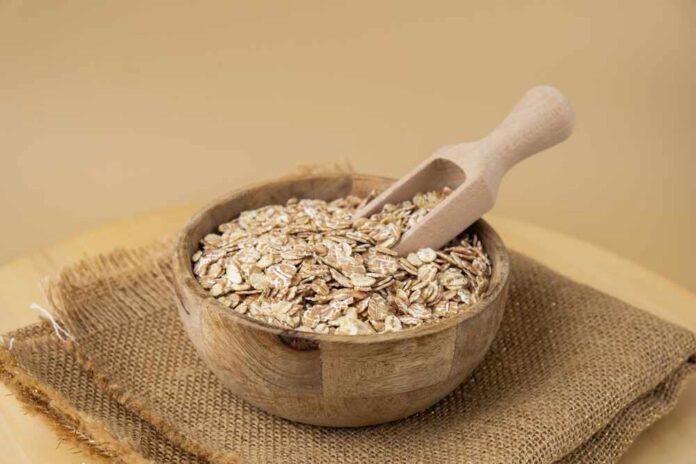
Oatmeal didn’t become a breakfast villain because the science changed—it became a villain because shortcuts and slogans beat nuance.
Quick Take
- Oats deliver a specific soluble fiber (beta-glucan) that supports fullness and better appetite control compared with many boxed breakfast cereals.
- Claims that oatmeal is “basically sugar” ignore how whole-grain structure and fiber change digestion and blood-sugar response.
- Evidence from controlled trials links oat intake to improved blood lipids and modest improvements in body measurements.
- Skipping breakfast often backfires by fueling cravings and attention dips; oatmeal can be an efficient, steady-energy option.
How Oatmeal Got Framed as “Sugar,” and Why That Framing Sticks
Oatmeal sits at the crossroads of two modern habits: fear of carbs and impatience with context. The anti-oat argument usually sounds clean and tough: carbs become glucose; glucose is sugar; therefore oatmeal is sugar. That line sells because it’s simple and because it flatters the listener’s desire for control. Nutrition doesn’t work like courtroom logic, though. The body processes foods in packages—fiber, water, viscosity, and portion size—not as isolated molecules.
Adults over 40 feel the stakes of these arguments in a practical way: energy swings hurt more, sleep gets touchier, and weight seems to “find” you. The temptation is to treat breakfast like a moral test—skip it to prove discipline, or banish oats to prove you’re not falling for old-school advice. When you skip a satisfying breakfast, lunch often becomes a rescue mission, and dinner becomes a negotiation with fatigue.
What the Research Actually Highlights: Beta-Glucan, Not “Magic Oats”
Oats earn their reputation largely because of beta-glucan, a soluble fiber that thickens in the gut. That thickness matters: it slows how quickly the stomach empties and changes how rapidly nutrients move through digestion. Research comparing oatmeal with ready-to-eat cereal has found oatmeal leads to greater satiety and reduced subsequent energy intake, a result tied to that fiber-driven viscosity. That’s a technical detail with a real-world outcome: fewer mid-morning raids on the pantry.
Controlled trial evidence also points in a direction many people care about more than breakfast philosophy: blood lipids and body metrics. A large meta-analysis of randomized controlled trials has associated oat intake with improvements in cholesterol-related measures and modest changes in weight or waist outcomes. No honest reader should hear “oatmeal fixes everything.” The reasonable takeaway is narrower and more useful: adding oats can support measurable cardio-metabolic markers, especially when the rest of the diet stops sabotaging the effort.
Skipping Breakfast: The Hidden Cost Isn’t Willpower, It’s Decision Fatigue
Breakfast skipping often gets sold as efficiency—one less meal, fewer calories, less mess. The problem is what replaces it: snacks chosen under stress, oversized portions later, and caffeine used as a stand-in for food. Discussions around breakfast patterns emphasize that many people experience better focus and fewer cravings when they start the day with a balanced meal rather than relying on sheer will. For adults juggling work, family, and aging metabolism, predictability beats heroics.
Oatmeal’s advantage here is less about being “healthy” and more about being structurally hard to mess up. A bowl can land in a reasonable calorie range and still feel substantial. The best conservative approach to eating is the one that keeps you out of trouble: steady energy, fewer impulsive choices, and fewer ultra-processed “solutions” marketed as diet food. Oats aren’t glamorous, but they can reduce the number of food decisions you regret by 3 p.m.
Where People Go Wrong: Instant Packets, Sugar Add-Ons, and Portion Creep
Critics aren’t always wrong; they’re often reacting to a version of oatmeal that deserves suspicion. Many instant oatmeal products come flavored and sweetened, which can turn a sensible base into dessert with a health halo. Then come the add-ons: honey, dried fruit, chocolate chips, and “just a little” granola. Oatmeal can carry sugar; it doesn’t have to. The fix is straightforward: use plain oats and choose toppings that add protein, fat, and fiber without turning the bowl into candy.
Portion creep also matters. Oats are easy to overserve because they look small when dry and expand when cooked. People who claim oatmeal leaves them hungry often under-build the bowl: too few oats, no protein, no fat, and then they blame the grain. A more practical build pairs oats with Greek yogurt, nuts, peanut butter, or eggs on the side, plus berries or cinnamon for flavor. That combination slows digestion and keeps hunger quiet longer.
The Special Case: Fiber Sensitivity and the “Oats Help Milk Supply” Claim
Some people genuinely struggle with high-fiber foods, especially if they jump from low-fiber eating straight into big oat bowls. Discomfort doesn’t prove oats are “bad”; it often proves the gut needs a gradual transition. Start smaller, increase water intake, and build slowly. Another popular claim—oats boosting breast milk—shows how nutrition myths form. Sources that discuss lactation typically frame oats as supportive through comfort, iron, and stress reduction rather than as a direct, guaranteed cause-and-effect food.
That distinction matters because it reflects how responsible nutrition advice should sound: supportive, not absolute. The American conservative instinct to distrust miracle claims serves you well here. Oats can be part of a supportive routine, but they don’t override sleep deprivation, hydration, calorie needs, or medical issues. When someone sells oats as a cure-all, they usually sell something else right behind it. When someone frames oats as a useful tool, they respect your intelligence.
The Bottom Line: Oatmeal Is a Tool for Steady Energy, Not a Dietary Identity
Oatmeal doesn’t need hype; it needs proper framing. Whole oats offer a combination of complex carbohydrates and soluble fiber that supports satiety and favorable lipid markers in research. The case for reconsidering oatmeal isn’t emotional. It’s practical: fewer cravings, fewer impulsive food decisions, and a breakfast that doesn’t require a chemistry set or a marketing degree. Keep the bowl plain, build it with protein and fats, and treat it as fuel—not as a statement.
Most people don’t fail because they chose the “wrong” breakfast food. They fail because they let internet narratives replace repeatable habits. If oatmeal helps you eat like an adult—steady, measured, and satisfied—then it’s doing its job. If it doesn’t, adjust the portion, toppings, or timing instead of throwing the whole idea out. Nutrition is rarely about winning an argument; it’s about winning your afternoon.
Sources:
https://valschonberg.com/oatmeal-is-just-a-bunch-of-sugar-and-other-nutrition-nonsense/
https://jow.com/blog/entries/blog-skipping-breakfast
https://milky-mama.com/blogs/milk-supply-guide/can-eating-oats-really-help-your-milk-supply
https://www.ncbi.nlm.nih.gov/pmc/articles/PMC4674378/