One in eight new cancer cases diagnosed around the world last year trace back to an infection, according to a major new global health study.
Story Snapshot
- The International Agency for Research on Cancer (IARC), the World Health Organization’s (WHO) cancer arm, found 2.3 million new cancer cases in 2024 were caused by infections.
- That works out to about 12 percent of all new cancer cases worldwide, described by researchers as “one in eight.”
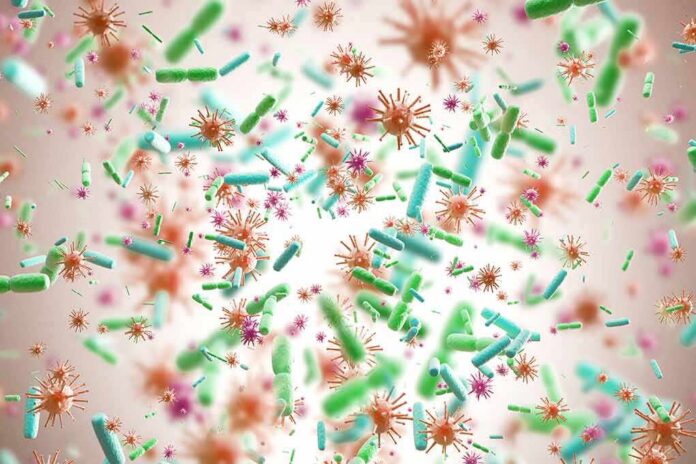
- The study covers 12 known cancer-causing infectious agents, including HPV, hepatitis B and C, H. pylori bacteria, HIV, and Merkel cell polyomavirus.
- The findings appeared in The Lancet Oncology and mark an update from earlier WHO estimates that put the share closer to 10 percent for 2022.
What The New Global Cancer Study Actually Found
Researchers at the International Agency for Research on Cancer pulled data from the agency’s Global Cancer Observatory database to build what they call the most complete picture yet of infection-linked cancer. They landed on 2.3 million cases in 2024, roughly 12 percent of all new diagnoses worldwide. That single number now anchors headlines across the globe, from Paris to Toronto, all pointing back to the same source.
The study did not stop at old, familiar suspects like cervical cancer from HPV or liver cancer from hepatitis. It folded in newer, harder-to-establish links, including HIV and Merkel cell polyomavirus, a rare virus tied to a type of skin cancer. Multiple outlets, including CBC News and France 24, echoed the same figures within a day of release, all crediting the WHO-linked agency directly.
Why The Percentage Climbed From Ten To Twelve
WHO’s own cancer fact sheet, last updated in mid-2026, had pegged infection-attributable cancers at around 10 percent for 2022. The new 12 percent figure for 2024 reflects an expanded list of pathogens and fresh incidence data, not necessarily a sudden spike in real-world risk. Going back further, IARC reported infections drove 16.1 percent of cancers in 2008, so today’s numbers sit within a long, shifting research history rather than a brand-new alarm.
Public health officials treat this as a moving target because science keeps finding new links between microbes and tumors. Each update reflects better detection methods and broader pathogen lists, not necessarily a more dangerous world. That distinction matters for readers trying to gauge whether their own risk has actually changed.
Which Infections Carry The Heaviest Cancer Burden
The dozen agents named in the study include viruses, one bacterium, and parasites, each linked to specific cancer types through what researchers call sufficient causal evidence. Human papillomavirus remains tied to cervical and other reproductive cancers. Helicobacter pylori, a stomach bacterium, is still considered the leading cause of gastric cancer worldwide, backed by decades of clinical and epidemiological research.
Hepatitis B and C viruses continue driving liver cancer cases, particularly in regions with limited vaccination coverage. Epstein-Barr virus and human herpesvirus type 8 round out the list, alongside newer additions like HIV and Merkel cell polyomavirus. Researchers note that infection-driven cancer burden varies dramatically by region, running far higher in lower-income nations than in wealthier ones with better vaccine and treatment access.
What This Means For Prevention And Public Health Policy
IARC officials frame much of this burden as preventable, since vaccines exist for HPV and hepatitis B, and H. pylori can often be treated with antibiotics. That framing carries real weight for conservative-minded readers who value personal responsibility paired with practical medicine: vaccination and early treatment are tools, not mandates, and the data simply shows they work when used.
The study’s authors stop short of claiming every infection-linked cancer could be eliminated overnight. Vaccine access, screening infrastructure, and treatment capacity remain uneven across the world, especially in lower-income countries carrying the heaviest share of this burden. Closing that gap, rather than debating the statistic itself, is where researchers say the real opportunity for saving lives now sits.
Sources:
youtube.com, iarc.who.int, euronews.com