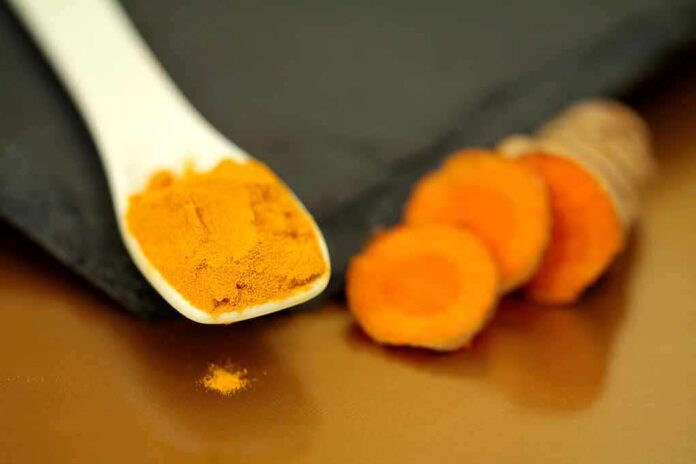
A celebrated “natural” spice sold as a wellness cure-all has been tied to hospitalizations, a death, and even lead contamination.
Story Snapshot
- A U.S. liver-injury network linked turmeric supplements to serious liver damage, including one death.
- Nine of ten documented patients showed clear liver cell damage; half were hospitalized.
- Researchers tied risk to a genetic marker and to products paired with black pepper extract.
- Independent tests found some turmeric adulterated with lead chromate in South Asian supply chains.
What the cases show about risk, severity, and who gets hurt
The Drug-Induced Liver Injury Network reported ten turmeric supplement cases with strong clinical signals. Five patients needed hospital care, and one patient died from acute liver failure. Doctors saw liver cell injury in nine of ten patients. Onset ranged from weeks to more than a year, which tracks with immune-linked injury. Chemical tests confirmed turmeric in all tested products, and some included black pepper extract, which can boost absorption and change exposure.
Investigators flagged a pattern that helps explain why some people get hit hard. A genetic marker, HLA-B*35:01, showed a strong link to turmeric-associated injury. That marker points to an immune mechanism rather than simple overdose. The team also noted a growing market trend: pairing turmeric with black pepper extract. That add-on can spike blood levels, which might raise risk in sensitive users. The signal does not convict every product, but it sets a clear red line for caution.
Contamination adds a second, avoidable danger
Separate laboratory work in South Asia uncovered turmeric adulterated with lead chromate, a pigment that makes spice look brighter. Testing found lead far above safe levels in some samples, and lead-to-chromium ratios near one-to-one, which points to deliberate addition. A few samples topped 1,000 micrograms per gram. Modeling projected child blood-lead levels up to ten times the level of concern. This is not a toxicology theory problem; it is a supply-chain fraud problem.
That contamination study focused on India and Pakistan, not the full global market. Still, it shows a real route by which a beloved spice turns dangerous. When a supplement concentrates turmeric or imports raw material from risky channels, a tiny upstream cheat can become a major exposure. That is why lot-level testing and supplier audits matter more than glossy marketing. Lead in a spice jar is bad; lead in a daily capsule is worse because dose stacks fast.
Label pride versus what is actually in the bottle
A recent review of turmeric products found authenticity problems across a notable share of supplements. About one in five products showed signs of adulteration, including synthetic-curcumin substitution. That means the label can promise nature while the bottle delivers something else. Consumers cannot spot this at home. Retail testing, transparent sourcing, and third-party certification are the only practical checks before harm occurs.
Market risk does not mean panic at the dinner table. The strongest liver-injury evidence involves concentrated extracts sold as supplements, not ordinary culinary turmeric. Some cases included black pepper extract. That detail matters. Food use is lower dose and slower exposure. The core takeaways are product-specific: dose, formulation, and sourcing drive risk. One brief caveat follows from the data: the case series is small and cannot estimate how often injury occurs among all users.
Regulatory gaps that put the burden on the buyer
Dietary supplements in the United States do not go through Food and Drug Administration (FDA) approval for safety or effectiveness before sale. Companies must ensure their products are safe and labels are truthful, and they must report serious adverse events. But most safety signals arrive after products reach store shelves. That post-market model works only when firms test honestly and regulators act fast on red flags.
Clear steps protect families without nanny-state overreach. Choose brands that publish lot numbers and share lab results for heavy metals, identity, and microbes. Avoid “bioavailability boosters” unless your doctor advises them. Be extra careful if you have liver disease, drink heavily, or take multiple drugs. Ask your doctor before adding any supplement. That is not fear; that is common sense. Nature can heal, but nature can also harm when it is concentrated, spiked, or misrepresented.
Sources:
nutritionfacts.org, pmc.ncbi.nlm.nih.gov, verywellhealth.com