Two marathoners died on the same day in different countries, exposing rare but serious risks that can strike even well-trained runners.
Story Snapshot
- A 24-year-old woman died near mile 24 of the New York City Marathon; her father cited rhabdomyolysis as the cause.
- A 36-year-old software engineer died minutes after finishing the Hyderabad Hi-Tech Full Marathon; police suspected a cardiac event pending autopsy.
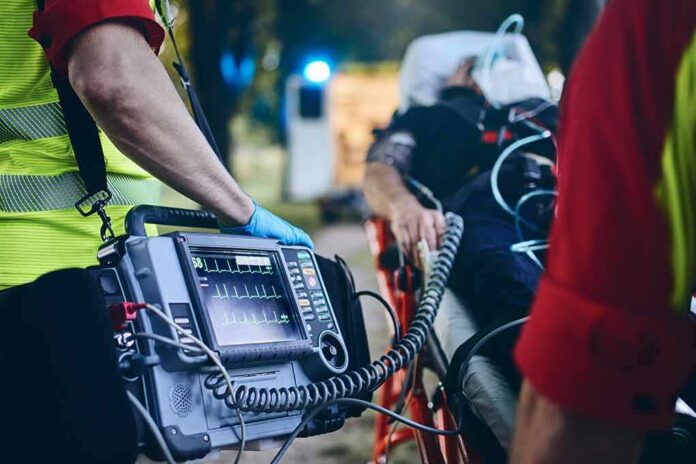
- Race medical teams and bystanders responded quickly in New York, using CPR and a defibrillator.
- Large studies show marathon cardiac arrest is rare, about 0.5 to 1 per 100,000 participants.
What Happened In New York And Hyderabad
On November 1, two runners died after separate full marathons thousands of miles apart. In New York City, 24-year-old Rachel Apa collapsed near mile 24. A bystander started chest compressions. Race medical staff took over and used a defibrillator. Medics took her to Mount Sinai Hospital, where she died. Her father said doctors told the family she had rhabdomyolysis, a rare and severe breakdown of muscle tissue that can lead to organ failure.
In Hyderabad, India, 36-year-old software engineer Kommineni Gopi completed the Hyderabad Hi-Tech Full Marathon and then collapsed minutes later while walking toward breakfast. Local police said early information pointed to a heart attack and noted that a post-mortem would confirm the exact cause of death. Reports identified him as an employee of a major technology firm in the city’s growing tech corridor.
Known Medical Risks During Endurance Races
Doctors say endurance events can unmask hidden heart problems or trigger dangerous stress responses. Rhabdomyolysis can occur when muscle fibers break down from extreme exertion, heat stress, dehydration, or electrolyte imbalance. The breakdown releases proteins that can damage the kidneys. In other cases, an undetected heart condition, such as thickened heart muscle or narrowed coronary arteries, can lead to sudden cardiac arrest under strain. These conditions may not show signs until a peak effort exposes them.
Cardiac arrest during races is most often linked to underlying structural or electrical heart disease. Heat, cold, illness, and stimulants can add risk. Event day changes, such as going much faster than training pace, can raise strain. Quick help matters. Early cardiopulmonary resuscitation and a shock from an automated external defibrillator can restore a heartbeat. Many race organizers now staff medical tents, place defibrillators along courses, and train volunteers in basic life support to cut response times.
How Common Are Fatal Events In Marathons
Large studies across millions of race finishers show cardiac arrest in marathons and half marathons is rare. Research in the New England Journal of Medicine found an incidence near 0.54 per 100,000 participants from 2000 to 2010. Survival depends on how fast CPR and a defibrillator are used, which is why on-course readiness matters. Later analyses in the United States and abroad report risk in a similar range, with some showing improved survival over time.
These base rates help put tragedies in context. Millions run long-distance races each year with no life-threatening events. Yet rare does not mean never. When deaths do occur, they are devastating for families and communities. They also raise fair questions about screening, event safety, and the pressures of “personal best” culture. Balance comes from recognizing both truths at once: risk is very low overall, and preparation still saves lives when bad luck or hidden disease strikes.
What Runners And Organizers Can Do Right Now
Runners can lower risk by getting a checkup if they have chest pain, fainting, strong family history of early heart disease, or unusual shortness of breath. Training should build up gradually and include rest. Hydration and electrolytes should match heat, humidity, and sweat rate. Runners should avoid racing while sick, using stimulants, or pushing past warning signs like chest tightness, dizziness, or confusion. Slowing down or stopping early can be the smartest move on a tough day.
Why are young, seemingly fit marathon runners collapsing during or just after races?
Two recent tragedies have raised a question we need to talk about.
24-year-old Rachel Apa collapsed at Mile 24 of the New York City Marathon, just two miles from the finish line. Her family… pic.twitter.com/bExtjP53zK
— Nmami Agarwal (@NmamiAgarwal) November 5, 2026
Race organizers can keep expanding medical coverage, defibrillator access, and clear communication. Course maps should show medical points. Volunteers should learn to spot distress and call for help fast. Public address messages can remind runners about pacing, weather, and hydration. These steps cost money and planning, but they help close the gap between a crisis and a save. Faster help means better chances, which honors both safety and the spirit of the sport.
Why This Matters Beyond Running
Two deaths on one day feel shocking in a country and a world already stretched by rising costs and thin trust in big systems. Many Americans see public health advice swing between extremes and feel leaders ignore basic preparedness. This story shows a practical path: clear facts, honest risks, and simple steps that help. When institutions share data, train people, and equip first responders, people stay safer—whether in a marathon, a school, or a town square.
Sources:
local21news.com, indianexpress.com, timesnownews.com, pubmed.ncbi.nlm.nih.gov