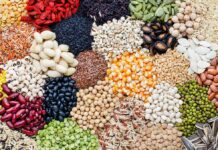
People who eat more plants and less red meat cut their risk of type 2 diabetes by nearly a third, according to large studies tracking tens of thousands of adults for over a decade.
Quick Take
- Large studies in Denmark, France, Sweden, and the United Kingdom link the EAT-Lancet diet pattern to lower type 2 diabetes risk.
- The EAT-Lancet diet favors plants, whole grains, nuts, and legumes, and limits red meat, sugar, and refined carbs.
- One Danish study found people with the highest diet scores had 22% lower diabetes risk than those with the lowest scores.
- Doctors say weight loss likely explains part of the benefit, but the diet pattern itself still matters.
What Large Health Studies Found About This Eating Pattern
A Danish study tracked people for a median of 15 years. Among them, 7,130 developed type 2 diabetes. Those who ate the most plant-forward diet had a 22% lower risk of developing diabetes than those who ate the least, even after researchers adjusted for body weight. That’s a meaningful drop for a disease that affects millions of American adults every year.
Scientists tracking nearly 60,000 people in the United Kingdom Biobank study found a similar pattern. Over a median follow-up of 10 years, 2,461 people developed type 2 diabetes. People who followed the diet pattern most closely had a 19% lower risk than those who followed it least. The consistency across two very different countries gives doctors more confidence the link is real.
Doctors who study diabetes prevention point to this pattern because it lines up with decades of advice: eat more plants, cut back on red meat and sugar, and keep portions of whole grains and legumes on the plate. The diet isn’t new or exotic. It mirrors what nutritionists have recommended for years, just packaged under a research label.
The Numbers Behind the Diet Pattern
A French study following nearly 89,000 adults for almost nine years found that every jump in diet-score adherence lowered diabetes risk by 11%. A separate look at the same group found people in the highest-adherence group had 29% lower risk than those in the lowest group. A Swedish study spanning more than two decades found an 18% lower risk among top adherents, even when accounting for genetic risk factors.
A systematic review pooling multiple studies found each step up in diet adherence lowered diabetes risk by about 8%. The studies varied widely in size, country, and follow-up length, so the exact numbers move around. But the direction of the finding stayed the same study after study.
Why Body Weight Plays a Big Role in the Results
The French research team found something doctors consider important: body weight explained up to 61% of the diet’s apparent benefit. That means much of the diabetes-risk drop may come from people losing weight on this diet, not from some magic ingredient in the food itself. Still, losing weight through better food choices is a win any doctor would take.
This fits a pattern seen before with the Mediterranean diet. Large observational studies linked that eating style to lower diabetes risk for years. Then a randomized trial called PREDIMED tested it directly and found real reductions in diabetes cases among people who switched to a Mediterranean-style diet. That history suggests today’s plant-forward findings could eventually get the same kind of direct, randomized confirmation.
What This Means for Your Dinner Plate
These studies tracked eating habits and later health outcomes. They don’t prove the diet alone causes lower diabetes risk, since the research didn’t randomly assign people to different diets. But the pattern holds up across four countries, tens of thousands of people, and over a decade of tracking in some cases. That’s a strong signal, even without a controlled experiment behind it.
For readers worried about diabetes, the practical takeaway is simple and familiar. Fill more of the plate with vegetables, fruit, whole grains, nuts, and legumes. Cut back on red meat, processed meat, and refined sugar. Watch your weight along the way. None of this requires a new supplement or an expensive program, just steady, sensible choices repeated over years.
Sources:
youtube.com, link.springer.com, pubmed.ncbi.nlm.nih.gov, cress-umr1153.fr, academic.oup.com, pmc.ncbi.nlm.nih.gov, ncbi.nlm.nih.gov