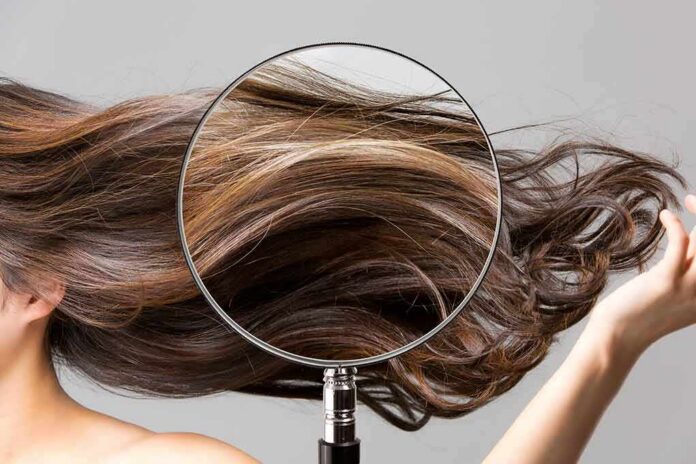
Men chasing thicker-looking hair in 2026 have more shampoo options than ever, but dermatologists say most of what these products deliver is a better-looking strand, not a denser scalp.
Quick Take
- Men’s Health testing crowned DS Laboratories Revita Hair Density Shampoo as the standout for visible thickness and volume
- Dermatologists say thickening shampoos change how hair looks and feels, not how many follicles grow
- A small 1998 study found ketoconazole shampoo boosted hair density about as well as 2% minoxidil
- A 2015 trial found rosemary oil performed similarly to minoxidil in 100 men over six months
- The Food and Drug Administration (FDA) treats hair-growth or hair-loss-prevention claims as drug claims, not cosmetic ones
Men’s Health Testing Crowns a Clear Winner
Men’s Health first published its roundup of hair thickening shampoos in October 2023 and updated it again in October 2026. Testers tried nine different products marketed to men worried about thinning hair. Out of everything tested, DS Laboratories’ Revita Hair Density Shampoo stood out. The brand produced “the most noticeable boost in both the appearance of volume and genuine hair thickness,” according to the outlet’s testing panel.
That distinction matters. Plenty of shampoos can make hair look fuller for a day through coating agents and styling residue. Fewer products showed a change testers described as lasting past a single wash. Consumers shopping this category should know the difference between a shampoo that temporarily plumps the hair shaft and one that claims to affect actual density over time.
What Dermatologists Say Thickening Shampoos Can and Can’t Do
Dermatologists interviewed on this topic are consistent in their message. Dr. Emmy Graber, president of the Dermatology Institute of Boston, put it plainly: “There really is no great scientific evidence that a shampoo can help grow hair faster, longer, or thicker”. She noted that certain formulas can still make hair look fuller through temporary coating effects on the strand itself, which is a cosmetic result, not a biological one.
A separate dermatologist quoted by Glamour echoed that same point, saying these products “mostly give the appearance of fuller hair” instead of growing new strands. The takeaway for men buying these shampoos is simple. A fuller look in the mirror does not mean more hair is actually growing from the scalp.
The Ingredients With Some Real Clinical Backing
Two ingredients show up repeatedly in shampoos with actual clinical data behind them. A 1998 study published in the journal Dermatology found that ketoconazole shampoo, used two to four times weekly, produced hair density gains comparable to 2% minoxidil in men with male pattern baldness. That is one of the few shampoo ingredients with head-to-head data against a proven treatment.
Rosemary oil has drawn similar attention. A 2015 randomized trial in the journal SKINmed compared rosemary oil applied twice daily to 2% minoxidil in 100 men over six months. Both groups saw a similar rise in hair count by the end of the study. Still, no shampoo is currently approved by the FDA specifically for hair regrowth, so these ingredient-level results don’t automatically transfer to every bottle on a store shelf.
Why the FDA Draws a Line Between Cosmetics and Drugs
Federal regulators separate products by the claims printed on the label. Items meant to cleanse or beautify, including most shampoos, are regulated as cosmetics. Anything claiming to restore hair growth or prevent hair loss crosses into drug territory, which requires a different level of evidence and government approval. That line isn’t just bureaucratic paperwork. The FDA has sent warning letters to companies for crossing it, including one shampoo brand told its “Prevents Hair Loss” marketing made the product an unapproved drug under federal law.
For consumers who value personal responsibility and distrust slick marketing, the lesson is straightforward. Read labels carefully, know the difference between a cosmetic claim and a medical one, and don’t let a bottle’s packaging promise more than any government agency has actually verified. The best approach remains research first, purchase second.
Men serious about hair thinning should talk to a dermatologist about options with stronger clinical track records, such as minoxidil, before relying on a shampoo alone to solve the problem.
Sources:
menshealth.com, neveenwood.com, perfecthairhealth.com, myhairline.ai, fda.gov