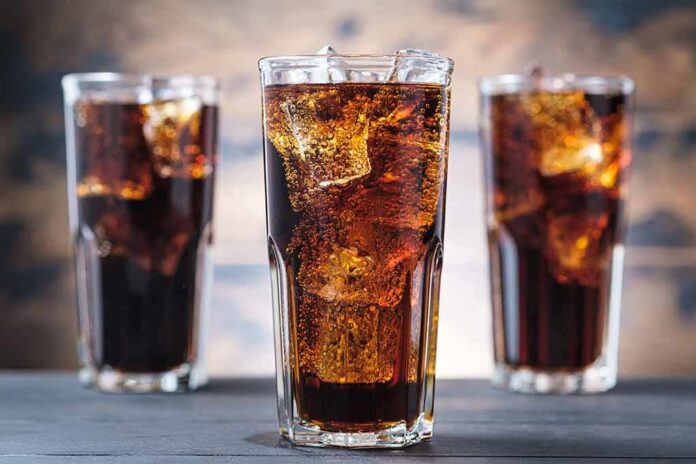
Drinking just one sugary beverage a month raised obesity-related cancer risk by 51 percent, but only for people whose overall diet was already poor.
Quick Take
- A long-running Spanish health study found sugary drinks raised obesity-related cancer risk by 51 percent in people with low-quality diets.
- People who closely followed a Mediterranean-style diet showed no significant cancer risk increase from the same drinks.
- Researchers tracked more than 18,000 people for over 13 years to reach this conclusion.
- The finding adds to a growing body of research tying sugary drinks to several cancer types, including liver, stomach, and breast cancer.
What The New Study Actually Found
The research comes from the SUN cohort, a long-term Spanish health study that followed over 18,000 adults for a median of 13 years. Scientists wanted to know if sugar-sweetened drinks raised the risk of obesity-related cancers. Overall, they found no clear link across the whole group. But when they split people by diet quality, a sharp pattern emerged among those eating poorly.
The Mediterranean Diet Changed Everything
Among participants who scored low on a Mediterranean Diet Score, drinking at least one sugary beverage a month was linked to a 51 percent higher risk of obesity-related cancers compared to rarely or never drinking them. That risk bump vanished in people who ate a Mediterranean-style diet rich in vegetables, olive oil, fish, and whole grains. Their sugary drink habit showed no meaningful link to cancer risk at all.
Scientists call this an interaction effect. The sugary drink itself may not be the main driver of cancer risk. Instead, it may act as one ingredient in a larger recipe for metabolic trouble. A diet already loaded with processed foods, red meat, and alcohol appears to make sugary drinks far more dangerous than they’d be on their own.
Why This Isn’t An Isolated Finding
This result lands inside a much bigger research picture. A 2024 systematic review from the World Cancer Research Fund’s Global Cancer Update Programme looked at cohort studies worldwide and judged the evidence supports a probable cause-and-effect link between sugary drinks and certain cancers. Other studies have tied heavy soda consumption to higher risk of liver cancer, stomach cancer, and lung cancer, often tracking frequency of consumption against hazard ratios that climb the more someone drinks.
Taken together, these studies tell a consistent story even when their numbers differ. Sugary drinks are not a guaranteed cancer sentence for every person who drinks one. But they consistently show up as a risk factor, especially when stacked on top of weight gain, inactivity, and a diet already short on real food. The SUN cohort simply shows which group pays the steepest price.
What This Means For Dinner Tables And Grocery Carts
Nobody needs a government mandate to figure out what this data is saying. Eat real food, built around vegetables, olive oil, fish, and whole grains, and an occasional soda isn’t the villain some headlines make it out to be. Build a diet around processed snacks and sugary drinks instead, and that same soda becomes part of a much riskier pattern.
This is a case where personal responsibility and good science point the same direction. The fix isn’t a soda tax or a federal warning label campaign. It’s a kitchen table decision, made meal by meal, about what actually goes into your body. The data gives families a clear reason to choose real food first and treat sugary drinks as the occasional extra they were always meant to be.
Sources:
mindbodygreen.com, scienmag.com, frontiersin.org, cambridge.org, pubmed.ncbi.nlm.nih.gov