The biggest reason your workout routine fails might have nothing to do with your willpower, your gym membership, or even your fitness plan—it’s that you probably have no idea how inactive you actually are.
Story Snapshot
- Misperception of physical activity levels acts as a hidden barrier, causing people to overestimate their exercise and avoid making necessary changes
- Overestimators score higher on psychological health factors but remain complacent, making them paradoxically harder to reach with interventions
- Modern theories reveal effort minimization is neurobiologically hardwired, not just a motivation problem
- Work environments with high computer use correlate negatively with physical activity, compounding sedentary behavior
- Traditional fitness psychology overemphasizes goal-setting while ignoring cognitive resource depletion and evolutionary inertia
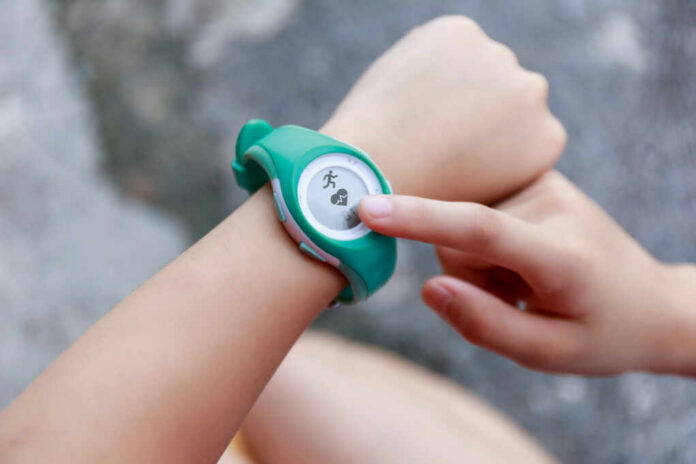
The Deception Hiding in Your Fitness Tracker
Cross-sectional research identified a peculiar phenomenon in 2008 that continues to baffle health researchers. People who overestimate their physical activity levels consistently display better psychological profiles than their realistic counterparts—higher self-efficacy, better mood markers, stronger perceived competence. Yet this cognitive blind spot becomes their Achilles heel. These individuals skip behavior change programs entirely, convinced they’re already doing enough. The paradox deepens when studies reveal that realistic inactive people, despite acknowledging their sedentary status, face even steeper psychological barriers including facility fears and low confidence. Neither group gets the targeted help they need because interventions focus on obvious obstacles like time constraints and gym costs.
Your Brain’s Evolutionary Sabotage System
Exercise psychology spent decades championing cognitive-behavioral approaches rooted in self-efficacy and goal-setting, but a 2019 theoretical shift exposed a fundamental oversight. The Theories of Effort Choice Model revealed that effort minimization isn’t a character flaw—it’s neurobiologically anchored in how our brains calculate reward versus exertion. Our ancestors survived by conserving energy, and modern brains still operate on that efficient firmware. When dopamine systems falter or stress depletes cognitive resources, the brain defaults to its evolutionary programming: avoid unnecessary effort. Traditional motivational frameworks ignore this biological reality, assuming rational decision-making prevails when it demonstrably doesn’t. Pleasure maximization, not willpower alone, drives sustained physical activity according to emerging neurobiological evidence.
The Workplace Factor Nobody Discusses
Recent quantitative analysis pinpointed an overlooked culprit in the inactivity epidemic: your desk job. Computer use at work correlates with physical activity at a coefficient of negative 0.76, meaning the more screen time your job demands, the less you move outside work hours. This isn’t mere correlation—it suggests decision fatigue and cognitive depletion from sustained mental labor directly erode the mental resources needed to initiate exercise. Add work-related stress, which depletes self-control like a drained battery, and sedentary occupations create a perfect storm. Social support networks weaken under these conditions, and isolation compounds the problem. Yet public health campaigns rarely address how modern employment structures systematically undermine physical activity adherence through cognitive exhaustion rather than time scarcity alone.
Why Self-Determination Isn’t Self-Sufficient
Self-Determination Theory established that intrinsic motivation—exercising because you genuinely enjoy it—predicts long-term participation far better than external rewards or guilt. But here’s the catch buried in the research: intrinsic motivation requires ongoing environmental support to survive. Studies from the 1990s through 2000s demonstrated that even highly motivated individuals regress when their social context turns non-supportive. A gym buddy who quits, a discouraging comment, a workplace culture that mocks fitness efforts—these environmental shifts reverse psychological gains faster than they accumulated. The implication challenges the pull-yourself-up-by-bootstraps mentality. Individual motivation matters, but systemic support structures matter more for population-level activity improvements. Realistic inactive groups show the lowest self-efficacy scores, suggesting they need targeted environmental modifications before psychological interventions can gain traction.
The Perception Correction Nobody’s Implementing
Armed with evidence that misperception acts as a silent adherence killer, one would expect interventions targeting accurate self-assessment. Instead, public health programs continue emphasizing the same tired strategies: fear-based health warnings, generic goal-setting workshops, and facility access improvements. Overestimators slip through the cracks of these broad-brush approaches because they don’t identify as needing help. The research suggests a radically different path forward—interventions that first establish realistic activity awareness before attempting behavior change. This means objective activity monitoring with feedback, not self-reported questionnaires vulnerable to cognitive bias. It means addressing cognitive resource depletion through stress management and work-life boundaries. It means designing pleasure-maximizing rather than suffering-glorifying exercise experiences that align with neurobiological realities instead of fighting them.
The overlooked factor isn’t a secret supplement, a training technique, or a motivational hack. It’s the fundamental misalignment between how we think we’re moving through the world and how we actually are. Until fitness culture and public health policy confront this cognitive blind spot with the seriousness it deserves, millions will continue spinning their wheels on ineffective routines, wondering why their efforts never translate into lasting change. The science has spoken clearly for over a decade—the question is whether anyone’s truly listening.
Sources:
Factors affecting exercise adherence: A cross-sectional study investigating motivation and barriers
Awareness and perception of physical activity levels among inactive adults
Rethinking Exercise Motivation: Theories of Effort Choice Model
Work-related factors and physical activity correlation study
The Role of Self-Control and Reward Systems in Exercise Motivation