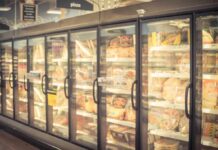
The United Nations says the world wastes over a billion meals a day, and that waste drives up planet-warming pollution, strains water and land, and adds methane from rotting food in landfills.
Story Highlights
- United Nations reports tie food waste to 8–10% of global greenhouse-gas emissions.
- Food that never gets eaten still uses vast land, water, and energy across supply chains.
- Food rotting without oxygen in landfills releases potent methane gas.
- Different reports track different stages of loss and waste, which affects headline numbers.
What the new United Nations reporting says about food waste
United Nations Environment Programme reporting estimates that food loss and waste account for between eight and ten percent of global greenhouse-gas emissions, nearly five times those from aviation. The report highlights waste at homes, restaurants, and stores, along with earlier losses on farms and in transit. It warns that the world throws away more than a billion meals daily, even as many people struggle to afford food. The agency frames food waste as a climate, nature, and pollution problem that needs action now.
United Nations Environment Programme’s Food Waste Index tracks waste at retail, food-service, and household stages, not farm and processing losses. That focus helps countries compare progress where many decisions happen: in kitchens and businesses. But other United Nations food and agriculture work also counts on-farm and supply-chain losses. When people treat these different scopes as the same, they can confuse the numbers. The direction is clear: waste is large and harmful, but exact totals vary by method.
How wasted food drives emissions, land use, and water stress
Food that never gets eaten still used fuel, fertilizer, power, and labor. The Food and Agriculture Organization estimated that food wastage in a recent baseline year used about 1.4 billion hectares of land, close to one-third of global cropland and pasture combined. Agriculture already pulls about seventy percent of the world’s freshwater withdrawals, so wasted harvests also mean wasted water. The agency also linked food wastage to a large share of food system energy use, compounding the climate and cost burdens.
When food scraps end up in landfills and break down without oxygen, they release methane. The Food and Agriculture Organization describes methane as more than twenty-five times stronger than carbon dioxide at trapping heat over a century. That makes landfill management and food diversion a clear lever. Composting and anaerobic digestion can cut methane compared with landfilling, while feeding people first prevents waste at the source. The science ties disposal choices to different climate outcomes, even for the same banana peel.
Why this matters across politics and pocketbooks
Rising grocery bills, higher trash fees, and tighter household budgets make waste feel like a tax on families. Businesses also pay to buy, store, cool, and then throw out unsold food. United Nations reporting connects these costs to broader harms, like nature loss and pollution, when land and water are used for crops that no one eats. People on the right and left share a core concern here: systems are wasteful, and that waste raises costs while shifting burdens to ordinary families and small businesses.
Local choices still add up. Households and restaurants drive a large slice of retail and consumer waste tracked by the Food Waste Index. Simple steps such as better meal planning, clear date labels, smaller default portions, and donations of safe surplus can reduce waste without new mandates. Cities that add curbside collection for food scraps and build compost or digestion sites can also lower landfill methane. These moves do not solve every problem, but they deliver practical gains most people support.
Mind the methods: what the numbers do and do not say
Food waste data blends measurement and modeling. The United Nations explains that its 2024 index improves methods and comparability but still faces gaps across countries and supply-chain stages. The Food and Agriculture Organization’s earlier work uses a different year and wider system boundary that includes on-farm and processing losses. Readers should match each headline figure to its scope. This does not weaken the main point; it guides smarter goals and tracks real progress over time.
Policy makers weigh trade-offs. Landfill standards, donation rules, and date labeling all shape waste. Clear national date labels can cut confusion over “best by” versus “use by,” which affects safe use and disposal. Public tracking at retail and city levels can highlight hotspots. The United Nations reports suggest focusing first where volumes and climate impacts are largest, then measuring outcomes the same way each year to hold agencies and businesses accountable.
Sources:
fao.org, unep.org, wedocs.unep.org