Alcohol flows harder in December than any other month of the year, and anyone trying to skip it needs a real plan, not just good intentions.
Quick Take
- Health researchers confirm drinking spikes sharply around Christmas and New Year’s Eve compared to the rest of the year.
- Federal health guidance recommends naming your reasons for staying sober, telling loved ones, and stocking alcohol-free drinks ahead of events.
- Experts suggest removing alcohol from the home and practicing a polite, firm refusal line before facing holiday pressure.
- People in recovery from alcohol use disorder are urged to line up extra support, since willpower alone may not be enough.
Why December Hits Different For Drinkers
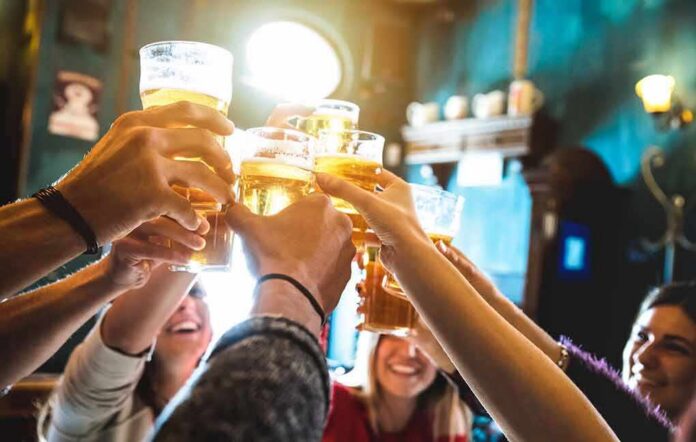
Researchers studying national drinking patterns found consumption peaks on weekends but climbs even higher on Christmas and New Year’s Eve specifically. The data shows these two nights produce significantly more drinks per person than an average Friday or Saturday night. That’s not a coincidence of scheduling. Office parties, family gatherings, and open bars stack up in a tight window, creating more opportunities to drink than the rest of the calendar combines.
Alcohol advertisers know the season matters too. A yearlong study of social media alcohol ads found December is the single most common month for new campaigns, with Christmas and New Year themes dominating the content. For someone trying to stay alcohol-free, that means fighting not just social pressure at the party, but a wall of marketing telling them drinking is the whole point of the season.
What Actual Health Guidance Recommends
The National Institute on Alcohol Abuse and Alcoholism lays out a clear starting point. People should identify their personal reasons for cutting back, say them out loud to friends and family, and make sure alcohol-free drinks are on hand before the event starts, not scrambled together once they arrive. Writing those reasons down and keeping them accessible on a phone or notecard helps during a tough moment at the bar.
Cravings don’t wait for convenient timing, so preparation matters. The institute’s craving-management guidance tells people to keep little or no alcohol at home and to skip social plans built entirely around drinking when possible. That’s not about becoming a hermit for six weeks. It’s about stacking the odds in your favor before you ever walk into a room with an open bar.
Handling The Party Itself
Hosts play a role too. The same federal guidance for holiday gatherings advises keeping alcohol containers out of the main gathering space and steering group activities away from drinking games, so non-drinking guests aren’t put on the spot. If you’re the one avoiding alcohol, scouting the venue for a drink station away from the alcohol, or bringing your own mocktail, takes some of that pressure off you directly.
Scottish health officials add a practical layer most lifestyle advice skips: plan your ride home before the night starts, and know what intoxication warning signs look like in people around you. That’s especially relevant at weddings and work events, where getting trapped without transportation options can turn a manageable night into a miserable one.
Why Some Advice Isn’t Enough For Everyone
Addiction specialists are blunt about where self-help strategies stop working. The American Heart Association’s own guidance recommends people with a history of alcohol problems line up extra support for the holidays, including keeping a sponsor’s number on hand and knowing where a recovery meeting is happening nearby. That’s a meaningfully different ask than just preparing a polite “no thanks.”
Britain’s National Health Service draws the line even more sharply. Its guidance states people who can’t control how much they drink, or who are recovering from alcohol use disorder, should avoid alcohol completely rather than try to moderate, and should contact a doctor or alcohol service for longer-term support. A written refusal script is useful for casual drinkers navigating a wedding toast. It’s not a substitute for medical help if someone’s relationship with alcohol has crossed into dependence.
One survey of adults in recovery found about one in five had relapsed specifically around Christmas, and most needed one to three months to get back on track afterward. That single statistic says more than any list of tips ever could: the holidays aren’t a minor obstacle for people rebuilding their sobriety. They’re a genuine test, and treating them like one, with real backup plans and real support contacts, beats hoping good intentions carry the night.
Sources:
artofhealthyliving.com, niaaa.nih.gov, nhsborders.scot.nhs.uk, rethinkingdrinking.niaaa.nih.gov, heart.org, nhs.uk, pmc.ncbi.nlm.nih.gov