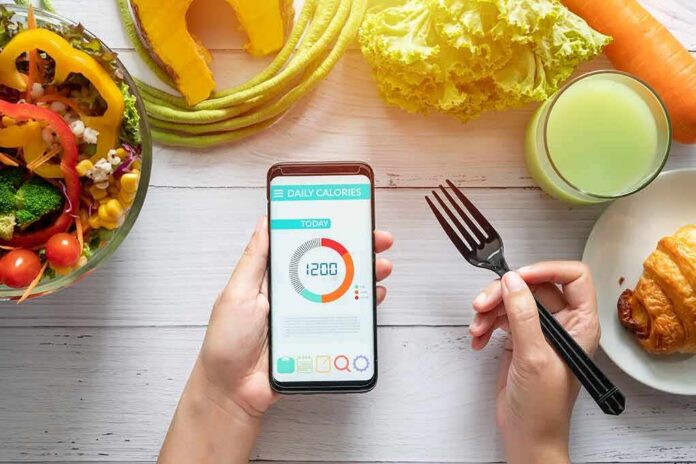
A Tufts nutrition dean says counting calories might be the worst habit in your diet, not the best one.
Quick Take
- Dariush Mozaffarian, former dean of the Friedman School of Nutrition Science at Tufts University, argues food quality matters more than calorie or macro counting.
- A Tufts-led study found ultra-processed foods linked to worse health outcomes even after adjusting for nutrition content.
- A separate randomized trial found flexible and rigid macro-based dieting worked equally well for weight loss.
- Experts agree tracking food intake in some form helps people lose weight, but they disagree on what to track.
The Case Against Counting Calories
Mozaffarian has spent years warning that calorie math misses the point. He put it bluntly in a 2018 interview, saying people are “so concerned about obesity that people are just counting calories rather than looking at food quality, and that’s a huge mistake”. His argument is simple. Two foods can carry the same calorie count and still affect your body in very different ways.
That idea gained fresh backing from a newer study out of Tufts. Researchers looked at how ultra-processed foods affect health, even when the nutrition labels look fine. They found worse health outcomes tied to ultra-processed eating, and the link held up even after accounting for overall nutrient quality. In plain terms, how a food gets made may matter almost as much as what’s in it.
This is not a new fight in nutrition science. Doctors have debated protein versus carbs versus fat for decades. A major clinical trial published in the New England Journal of Medicine tested four different diets with different fat, protein, and carb targets. All of them produced similar weight loss over two years, suggesting the ratio of macros mattered less than simply sticking with a plan.
Where The Macro-Counting Camp Pushes Back
Supporters of tracking macros have real evidence too, and it deserves a fair hearing. A randomized controlled trial of resistance-trained adults compared strict macro tracking against a flexible version of the same approach. Both groups lost similar amounts of weight during calorie restriction, and the flexible group actually gained more lean muscle afterward. That result challenges the idea that food quality alone decides the outcome.
Another study took a more personal approach. Researchers gave one group a standard calorie-cutting plan and gave another group a personalized calorie goal based on their own energy needs. The personalized group lost nearly twice as much weight over twelve weeks and stuck to their calorie target more consistently. That is a meaningful result, and it shows structured number-based goals still have a place in weight loss plans.
What The Broader Research Actually Shows
Step back far enough and this fight looks less like a contradiction and more like two tools built for different jobs. Calorie and macro tracking connects directly to energy balance, which drives weight change. Food-quality frameworks connect to fiber, processing, and long-term disease risk. The federal government’s own nutrition evidence reviewers have found that self-monitoring, in almost any form, is tied to greater weight loss success.
That matters for anyone trying to sort through conflicting diet advice. The science does not say ditch your tracking app, and it does not say ignore what food is made of. It says both pieces of information do real work, just not the same work. Common sense backs that up. A parent feeding a family needs practical rules, not a lab debate, and most practical rules end up blending both ideas anyway.
Why This Debate Keeps Resurfacing
Nutrition science keeps producing these clashes because weight loss and long-term health are related but not identical goals. A food can help you hit a calorie target and still fall short on fiber, vitamins, or processing quality. Ignoring either side of that equation leaves half the picture missing, which is likely why neither camp has managed to settle this argument for good.
For everyday eaters, the practical lesson skips the lab jargon entirely. Track your calories if that keeps you accountable, but do not treat a label as the whole story. Whole foods, less processing, and more fiber consistently show up as healthy markers across multiple independent studies, regardless of which camp published them.
The honest answer, backed by the strongest research on both sides, is that numbers and quality are not rivals. They are two different measurements of the same plate of food, and skipping either one leaves you flying half blind.
Sources:
mindbodygreen.com, now.tufts.edu, nyu.edu, agritecture.com, nutrola.app, iifym.com