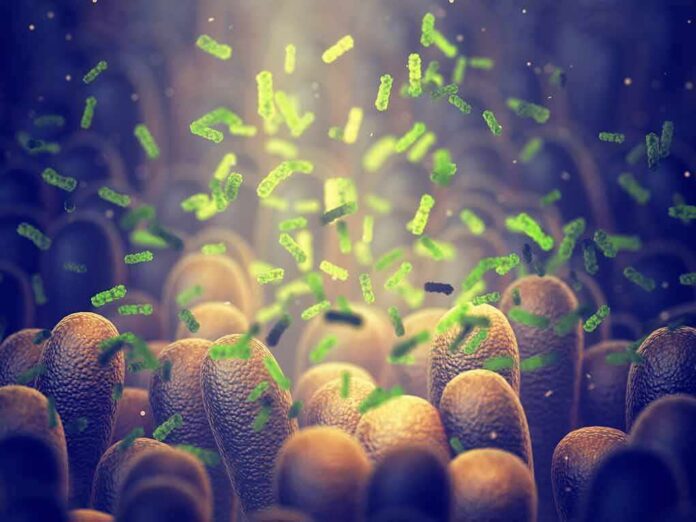
Scientists found that people with more diverse gut bacteria pumped out more stress hormone when faced with a tough mental test.
Story Snapshot
- A University of Vienna study tested 74 healthy adults, splitting them into a stress group and a calm control group.
- Higher gut bacteria diversity matched stronger cortisol and subjective stress spikes, but only in the stress group.
- Bacteria linked to butyrate production tracked with higher stress reactivity, while propionate-linked bacteria tracked with lower reactivity.
- A separate trial found that delivering short-chain fatty acids directly to the colon lowered cortisol spikes, showing the gut-stress link runs both ways.
What The Vienna Researchers Actually Measured
Researchers at the University of Vienna recruited 74 healthy adults between ages 18 and 34. They split the group in two. Thirty-five people faced a standardized stress task in the lab. Thirty-nine sat through a calm, non-stressful control task instead. Everyone gave stool samples beforehand, and researchers tracked saliva cortisol and self-reported stress during the task.
The results showed a clear pattern. People with more diverse gut bacteria had bigger cortisol spikes and reported more subjective stress during the stressful task. That link disappeared completely in the control group doing the calm task. The diversity of someone’s gut bacteria only seemed to matter once real stress entered the picture.
Butyrate And Propionate Pointed In Opposite Directions
The team didn’t stop at overall diversity. They looked at specific bacterial functions tied to short-chain fatty acids, the compounds gut bacteria make when they break down fiber. People whose gut bacteria carried more capacity to produce butyrate showed higher cortisol reactivity. People with more inferred propionate-producing capacity showed the opposite, lower reactivity to the same stress test.
That split matters because it means not all gut bacteria byproducts act the same way on the body’s stress machinery. A simple story of “more good bacteria equals calmer stress response” doesn’t hold up here. Instead, specific bacterial functions seem to push the body’s stress response in different directions depending on which metabolic pathway dominates.
A Separate Trial Shows The Link Can Run The Other Way Too
An earlier randomized, placebo-controlled trial in healthy men delivered short-chain fatty acids straight to the colon for one week. Men who got the real mixture showed a smaller cortisol response to a psychosocial stress test compared to men who got a placebo. The researchers concluded that these gut-made compounds can directly adjust how the body’s main stress hormone system, the hypothalamic-pituitary-adrenal axis, responds to pressure.
Put side by side, the two studies show the gut-stress relationship is a two-way street. One study observed naturally occurring bacterial patterns and their link to stress hormone spikes. The other actively delivered the compounds and watched stress hormone responses shrink. Together they build a stronger case that gut chemistry and brain stress signals talk to each other constantly, not just occasionally.
Why Researchers Call This An Association, Not Proof Of Cause
The University of Vienna team measured what existed in participants’ guts before stress happened, then watched how their bodies reacted afterward. That design shows a pattern, not a guaranteed cause and effect. Diet, sleep, medication use, and other everyday factors could shape both gut bacteria and stress hormone output at the same time.
The bacterial production capacity was also inferred from genetic sequencing, not measured directly in blood or stool as finished metabolites. Researchers didn’t confirm how much butyrate or propionate actually circulated in each person’s body. That gap matters for anyone tempted to treat the finding as a settled formula rather than an early data point worth building on.
Why Stress Type Seems To Change The Picture
A separate examination-stress study found something different. Students facing real exam pressure showed hormone and mood changes, but their gut bacteria diversity didn’t shift in any broad way. That contrast suggests short, sudden lab stress and longer, looming real-world stress may interact with gut bacteria through different timelines and mechanisms, a distinction future research still needs to sort out.
None of this means a probiotic pill or fiber supplement will instantly rewire anyone’s stress response. The honest takeaway is narrower but still notable. The trillions of microbes living in the gut appear to have a real, measurable say in how strongly the body reacts when stress hits, and scientists are only beginning to map out exactly how.
Sources:
mindbodygreen.com, pmc.ncbi.nlm.nih.gov, link.springer.com, univie.ac.at, biorxiv.org