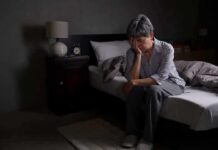
Millions of Americans stop breathing dozens of times a night and never know it, and the damage piles up while they sleep.
Quick Take
- Obstructive sleep apnea (OSA) is tied to higher rates of stroke and cardiovascular death, according to a major medical meta-analysis.
- Sleep doctors call untreated OSA a potentially lethal disease linked to heart disease, high blood pressure, and diabetes.
- Broken sleep and low oxygen levels from OSA also hurt memory, mood, and reaction time, raising accident risk.
- One large trial found CPAP machines did not cut heart attacks or strokes in patients who already had heart disease, showing treatment benefits can vary by patient.
What The Research Shows About Sleep Apnea Risk
Obstructive sleep apnea happens when throat muscles relax too much during sleep and block the airway. The body jolts awake to restart breathing, sometimes hundreds of times a night. A 2012 review of multiple studies found people with OSA faced more than double the risk of stroke and more than double the risk of dying from heart problems compared to people without it. Researchers called OSA a likely independent risk factor for both.
The American Academy of Sleep Medicine does not soften its language. Its 2019 health advisory flatly states that OSA “is a potentially lethal disease” that raises the risk of heart disease and other serious problems. That warning comes from the leading professional group for sleep doctors, not an outside advocacy voice, and it reflects decades of clinical observation across sleep labs nationwide.
How Broken Sleep Damages The Body And Mind
The danger does not stop at the heart. Doctors have mapped out the chain reaction inside the body during an apnea episode: oxygen drops, carbon dioxide builds up, chest pressure swings wildly, and the nervous system kicks into overdrive. A clinical review in the Journal of Clinical Sleep Medicine lists these as direct, measurable results of blocked breathing during sleep. Night after night, this cycle wears down blood vessels and stresses the heart.
That same research found untreated OSA patients often struggle with focus, memory, and mood. Quality of life drops, and so does reaction time behind the wheel. The review links these impairments to higher rates of car crashes and job accidents. A tired, oxygen-starved brain makes mistakes, and for truck drivers, machine operators, and daily commuters alike, that is not a small concern.
A Long List Of Conditions Tied To Untreated Apnea
Beyond stroke and heart attacks, clinical literature connects untreated OSA to high blood pressure, heart failure, irregular heartbeat, coronary artery disease, and type 2 diabetes. Researchers also report links to higher overall death rates, not just deaths from heart-related causes. This wide spread of risks is why sleep specialists push for screening, especially in patients who snore loudly, feel exhausted during the day, or carry extra weight around the neck.
Why Treatment Results Are More Complicated Than The Diagnosis
Here is where the picture gets nuanced. A major randomized trial called SAVE tested whether CPAP machines, the standard apnea treatment, actually prevent heart attacks and strokes in people who already had cardiovascular disease. The result: 17 percent of CPAP users had a major cardiac event versus 15.4 percent of those who got usual care alone, a difference that was not statistically meaningful. CPAP did ease snoring, daytime sleepiness, and mood, but it did not prove it stops the worst outcomes in that specific group.
That trial does not undo the broader danger findings. It studied one treatment in one high-risk population that already had established heart disease. The stroke and mortality risks tied to untreated OSA itself come from separate, large-scale data. Taken together, the evidence says OSA is a real and serious health threat, while also showing doctors still have work to do figuring out which patients benefit most from which treatment.
What This Means For Everyday Readers
For anyone who snores, wakes up gasping, or feels wiped out no matter how much they sleep, the takeaway is simple: get checked. The condition is common, often missed, and tied to some of the deadliest health outcomes in America, including stroke, heart failure, and diabetes. Screening is cheap and noninvasive compared to the cost of a heart attack or stroke down the road. Common sense says catching this early beats waiting for a 2 a.m. emergency room visit.
Sleep apnea rarely makes headlines the way a dramatic diagnosis does, but the numbers behind it are just as serious. Treating it is not a guaranteed cure-all, as the SAVE trial shows, but ignoring it carries documented risks that no one should shrug off.
Sources:
wellness.com, nejm.org, acc.org, aasm.org, pmc.ncbi.nlm.nih.gov, ahajournals.org